
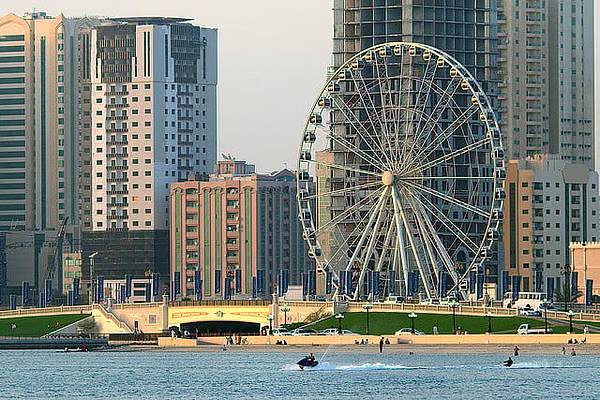

Sharjah has become one of the most popular emirates for affordable living in the UAE, especially for families and expats who find rents steep in Dubai or Abu Dhabi. Yet despite its relative affordability, rental increases are a growing concern among residents — particularly opponents of sudden annual hikes.
If you’re renting in Sharjah and wondering how often your landlord can increase your rent, this article breaks down the law clearly and gives practical guidance on your rights and responsibilities.
🧾 The Core Rule: No Rent Increase for the First 3 Years
Under the Sharjah tenancy law, once you sign a tenancy contract, your landlord may not legally increase the agreed rent for the first three years of your lease, unless you both mutually agree to do so. This rule applies whether your contract is for one year or multiple renewal cycles – the clock starts from the date your tenancy relationship begins.
What This Means
- If you signed a lease in January 2025, the earliest lawful increase would be in January 2028.
- Even if your contract ends every year and you sign renewals, this protection continues as long as the relationship is legally continuous.
This initial three-year protection period is Sharjah’s strongest safeguard for tenants, preventing landlords from increasing rent yearly just because a contract comes up for renewal.
📆 After 3 Years: How Often Can Rent Increase?
Once the initial three-year period ends, landlords can increase rent — but not arbitrarily, not yearly, and not immediately again after the first increase.
Here’s how it works:
- First Increase: After the first 3 years have passed, the landlord may propose a rent increase when a contract expires or as agreed in negotiations.
- After First Increase: Once a rent increase has taken place, the landlord cannot increase the rent again for another 2 years.
Example Timeline
| Year | What Can Happen |
|---|---|
| 2025 | Lease starts – rent frozen |
| 2026 | Lease renews, no increase allowed |
| 2027 | Lease renews, still no increase permitted |
| 2028 | First lawful rent increase may be agreed/implemented |
| 2029 | No increase allowed |
| 2030 | No increase allowed |
| 2031 | Second lawful rent increase may occur |
This pattern gives tenants a minimum stability period of 5 years before a second increase — 3 years protected and 2 years after the first increase.
💡 Important Nuances About the Law
✔️ Mutual Agreement Exception
If both tenant and landlord agree in writing to a rent increase during the first 3 years, the landlord may implement it. However, if the tenant agrees to this early increase:
- The landlord may not raise the rent again for another 2 years from that date.
While this may be useful for negotiation (for example, you may accept a small increase in exchange for better lease terms), tenants should be cautious: once you agree, your protections reset from the date of that increase.
📊 What About Rent Increase Amounts?
Unlike Dubai — where rental hikes are governed by RERA’s Rental Increase Calculator — Sharjah currently does not cap the percentage a landlord may increase rent. This means:
- There is no formal percentage limit on how much landlords can raise the rent once an increase is permissible by law.
However, once the protection period (3 years) and the post-increase waiting period (2 years) are over:
- Any new rent must be set at a “fair rent” value, as defined by Sharjah’s existing laws.
- The executive regulations specify how to calculate fair rent after these time periods.
In practice, this means landlords should base the new rent on comparable market rates — and tenants can raise a dispute if they believe an increase is unreasonable.
📣 Tenant Rights: If Your Landlord Violates the Law
Many tenants report landlords attempting annual or mid-term rent hikes that violate the law — often due to tenant ignorance of legal protections. If you face an illegal rent hike:
➤ 1. Speak to Your Landlord
A direct, polite reference to the Sharjah tenancy law often resolves misunderstandings.
If the landlord continues to insist, you have stronger options.
➤ 2. Approach the Sharjah Rental Dispute Centre
Sharjah now has a Rental Dispute Centre (RDC) where you can file a complaint if your landlord:
- Raises rent before 3 years are up,
- Raises rent again before 2 years after a prior increase,
- Or fails to justify rent increases based on fair rent standards.
This Centre hears disputes, checks legal compliance, and issues binding decisions.
➤ 3. Documentation Matters
Make sure your tenancy contract is:
- Registered with Sharjah Municipality (Tawtheeq) — essential for legal protection.
- All communication about rent increases should be written and dated.
🏠 Final Thoughts: What Sharjah Tenants Should Remember
➡️ Your rent is protected by law for at least 3 years — landlords cannot increase it just because they want a higher amount if the tenancy is still within that period.
➡️ After the first legal increase, the next hike can only come after another 2 years — giving you peace of mind for a long-term stay.
➡️ There is no official cap on how much rent can be increased, so negotiate wisely and use the dispute process if needed.
➡️ Sharjah’s rental rules are landlord-tenant laws, not just recommendations — you have enforceable rights under UAE law.
💬 Conclusion
Sharjah’s tenancy framework is designed to protect tenants from frequent and unpredictable rent hikes. By limiting rent increases to once every three years initially and once every two years thereafter (with exceptions only by mutual agreement), tenants enjoy one of the most stable rental environments in the UAE.
Understanding and asserting your rights — from contract registration to timely legal action — empowers you to rent with confidence and security in Sharjah’s evolving real estate landscape.



Leave a Reply