

Dubai’s real estate market has always been fast-moving and headline grabbing — from record-breaking transactions to international investors rushing in for luxury assets. But as the emirate steps into 2026, industry insiders, analysts, and property professionals are pointing not merely to numbers, but to a fundamental behaviour shift in how properties are being bought and sold. What was once driven largely by momentum, hype, and investor optimism is now giving way to logic-based, data-driven buying decisions — a hallmark of a more mature and resilient market.
A Recap of Record Growth Before the Shift
The Dubai real estate market delivered another remarkable year in 2025. According to recent market reports, the city recorded an all-time high in property deals, with 197,263 transactions worth AED 624.1 billion ($170 billion) between January and November 2025, even before the year closed.
This surge not only reaffirmed Dubai’s standing as a global property hub but also attracted buyers from across the world — from Europe and the UK to India, Africa, and North America — all seeking strategic assets in a thriving economic and lifestyle destination.
But beneath the headline figures, market trends were quietly transforming — and these changes are now coming to define the landscape as we enter 2026.
What “Logic-Based Buying” Really Means
So what is logic-based buying?
In contrast to momentum-led purchases, where buyers chase hot deals, fast price appreciation, or speculative gains, logic-based buying refers to decisions grounded in measurable fundamentals such as:
1️⃣ Price-to-Value Alignment
Properties are evaluated based on their intrinsic worth, not simply price tags or market buzz. Buyers are comparing prices with long-term rental yields, resale liquidity, community appeal, and real utility rather than immediate price spikes.
2️⃣ Developer Credibility and Delivery Track Records
Hype is no longer enough. Tier-1 developers with strong delivery histories — firms like Emaar, Nakheel, Sobha Realty, DAMAC, and Meraas — are commanding preference because reliability in construction quality, timelines, and handover execution directly affects value.
3️⃣ Connectivity, Infrastructure & Transport Access
Communities with real transport connectivity — especially those tied to metro lines, upcoming infrastructure upgrades, and major commercial corridors — are becoming more attractive because they promise sustained demand and easier lifestyle access.
4️⃣ Community-Centric Lifestyle Features
Buyers and end users increasingly assess factors like schools, parks, retail hubs, walkability, and integrated living spaces. These aren’t bells and whistles — they’re essentials that improve long-term desirability and yield resilience.
5️⃣ Data & Analytics in Decision Making
Platforms fueled by verified transactional data — like those supported by the Dubai Land Department — are empowering buyers with transparent metrics on pricing, historical performance, and neighborhood trends, fostering smarter decisions.
All of these elements point to a more analytical, less impulsive, more disciplined buyer mindset. This is what many real estate professionals refer to when they say Dubai is entering a more mature pricing cycle.
Luxury and Ultra-Prime Assets: Still Resilient
Even as the broader market shifts towards logic, luxury and ultra-prime assets continue to show strong resilience.
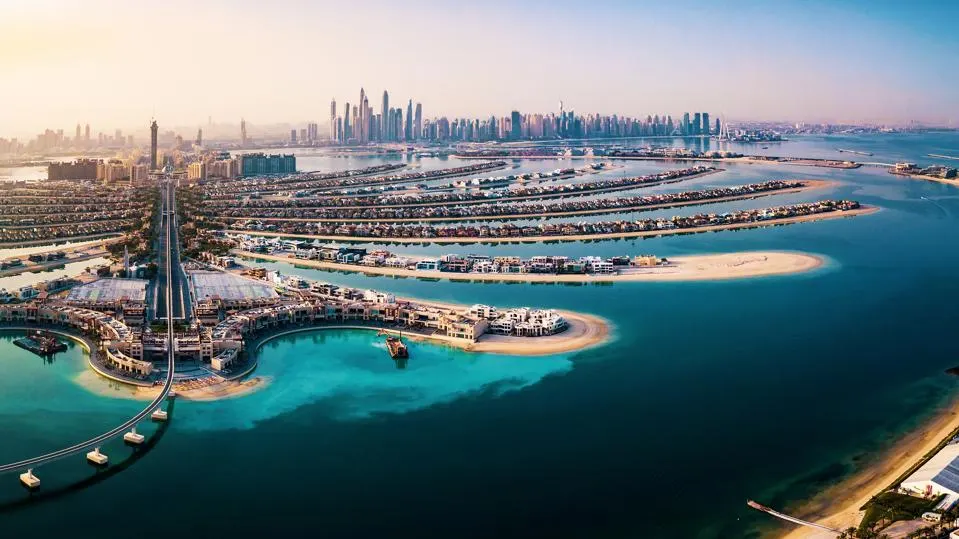
Prime villa districts such as Palm Jumeirah, Jumeirah Bay Island, and Mohammed Bin Rashid City remain highly sought after, largely due to their limited supply, enduring global demand, and strong resale value — factors that align perfectly with logic-driven investing.
Moreover, branded residences and waterfront communities benefit from scarcity and lifestyle allure, making them attractive to high-net-worth individuals who prioritise stable, long-term value over short-term gains.
Mass Market and Mid-Income Buyers Level the Field
Another noteworthy trend is the rise of mid-income buyers and end users shaping the market. Rather than just international investors seeking quick flips, an increasing share of home purchases is being made by residents and families interested in long-term living and occupation.
In segments like Jumeirah Village Circle, Dubai South, and UAE-focused master-planned communities, affordability and stronger tenant demand are driving fundamental value — and that, in turn, attracts investors looking for long-term rental or capital growth opportunities without speculative risk.
Rentals, Mortgages and Market Balance
As rental prices and mortgage affordability continue evolving, some prospective buyers are choosing ownership over renting — especially when mortgage costs compare closely to annual rent rates.
At the same time, rental markets are showing signs of maturity and stabilization, with forecasts suggesting moderate rent movements that reflect supply-demand balance, vacancy adjustments, and a more predictable pricing regime.
Challenges and Risks in the Logic-Based Era
While logic-based buying brings greater stability, it also underscores risk factors developers and investors must navigate:
- Supply Pipeline: A significant number of new units are scheduled for delivery in 2026–27, potentially exerting pressure on mid-market segments and requiring careful asset selection.
- Price Corrections: Rating agencies have flagged possible moderate price corrections in some sectors — particularly off-plan apartments — if supply outpaces demand.
- Selective Liquidity: Not all assets will perform equally; liquid, well-connected, well-managed properties are likely to outperform generic stock.
That said, disciplined, logic-driven market behaviour tends to reduce extreme swings and speculative bubbles, making Dubai’s real estate environment more predictable for long-term investors and residents alike.
Why 2026 Could Be a Turning Point
What sets 2026 apart from prior cycles isn’t a drop in confidence — it’s a change in buyer psychology.
The market is no longer just about hotspots and headlines. Instead, buyers, whether international investors or local end users, are increasingly asking:
- Does this property have real rental demand and resale liquidity?
- Is developer delivery credible and verifiable?
- Is the pricing fair relative to long-term growth potential?
- Does the location offer future infrastructure value?
- Do lifestyle amenities matter to occupants and tenants?
These questions reflect a deeper, more analytical, and logic-centred mindset — one that is likely to shape Dubai’s property market for years to come.
In Summary
Dubai’s real estate market is entering 2026 not just with strong numbers, but with smarter buyers, clearer fundamentals, and disciplined investing behaviour. Logic-based buying may sound technical, but its implications are profound: a shift from speculative hype to solid value, infrastructure-led growth, and long-term confidence.

Leave a Reply