
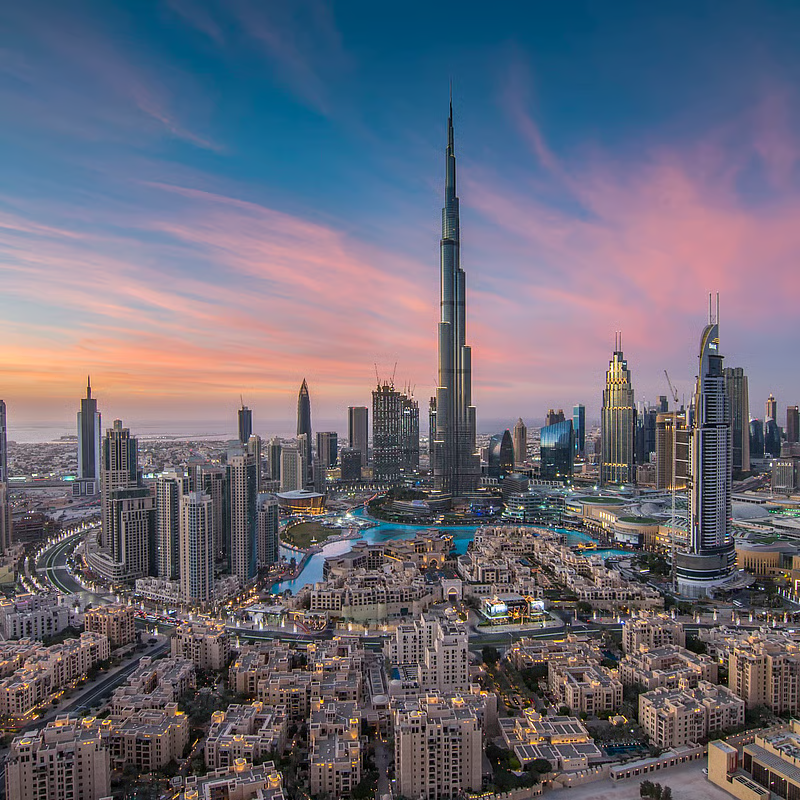

Dubai’s real estate sector has just capped off a historic year — registering an unprecedented Dh547 billion (≈ $149 billion) in residential property sales for 2025 — the strongest performance in its history. The emirate’s property market not only shattered previous records but also revealed deeper structural strength, broad investor participation, and enduring global demand for Dubai real estate.
A Landmark Year for Residential Property
According to the Full-Year Dubai Residential Market Report 2025 by international proptech firm betterhomes, Dubai’s residential sales value soared 28 % year-on-year, reaching Dh547 billion across 203,000 transactions — a 20 % increase in volume compared with 2024.
This growth wasn’t just about numbers; it reflected breadth in both buyer types and property segments. Studios and one- to two-bedroom apartments accounted for 77 % of all transactions, while 72 % of deals were in the Dh500,000–Dh3 million range — indicating strong participation from both end-users and investors.
Strong Economic Backdrop
The performance of Dubai’s property market in 2025 was underpinned by a robust economy and demographic momentum:
- UAE real GDP growth expanded 3.9 % in Q1 and 4.5 % in Q2, with forecasts suggesting growth could exceed 5 % in 2026.
- Inflation remained low at 1.3 % for the year, preserving purchasing power and encouraging property investment.
- Dubai’s population increased by 5.4 % to approximately 4 million residents, while overnight visitor numbers hit 17.5 million from January to November. These inflows directly supported demand for housing, particularly in well-connected communities.
“What defines 2025 is the quality of growth rather than just the pace,” said Louis Harding, CEO of betterhomes. “Economic expansion, low inflation, and population growth are reinforcing each other, creating a more durable foundation for real estate activity.”
Off-Plan Dominance and Market Dynamics
Dubai’s off-plan market — properties sold before construction is completed — dominated the year. These deals accounted for 65 % of total transactions and 53 % of the total value, driven largely by apartments.
Despite a rapidly expanding supply pipeline, average sale prices rose by 12 % year-on-year to Dh1,673 per square foot, underscoring the market’s ability to absorb new inventory without significant price erosion.
At the same time, mortgages played an increasingly prominent role in the market — accounting for 52 % of transactions, which overtook cash deals and reflected stronger buyer confidence and access to financing.
Leasing and Rental Activity Strengthen
The year also saw a growing rental market, with leasing transactions rising sharply. According to betterhomes, leasing activity increased by more than 60 % year-on-year, supported by strong family-led demand and stable rental prices. The average annual rent in 2025 remained around Dh207,000.
This incremental rental growth indicates that both investors and end-users are participating in long-term residential stays rather than short-term speculative moves — a sign of market maturity and structural depth.
Investor Confidence and Buyer Demographics
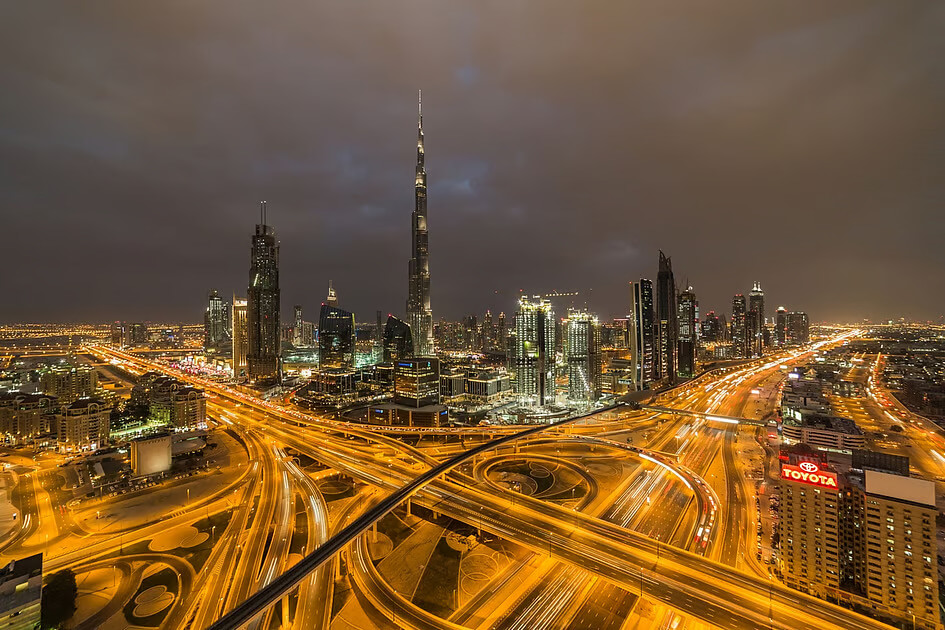
Investors continued to play a major role, making up 57 % of total purchases for the fourth consecutive year. Buyers from India and the UK continued to lead in volume, demonstrating Dubai’s global appeal as an international property investment hub.
Importantly, a large share of transactions were concentrated in mid-market price brackets, reinforcing the notion that liquidity was broad, repeatable, and engaged across multiple segments rather than narrowly focused on ultra-luxury.
Luxury segments, however, did not lag entirely — average prime property prices rose by 26 % year-on-year to around Dh30 million, signaling sustained demand even at the highest end of the market.
Market Depth Across Property Types
The year’s performance also highlighted how different property classes contributed to the total value:
- Apartments: Dh325 billion in sales — a growth of 29 % year-on-year.
- Villas and Townhouses: Dh221 billion — up 26 % year-on-year.
This mix shows that while apartments drove much of the volume, larger family homes and luxury properties also remained competitive and valuable.
Outlook for 2026 and Beyond
Entering 2026, Dubai’s property sector has momentum on its side. Experts expect continued delivery of new inventory throughput 2026 and 2027, paired with moderating but sustainable price growth — a scenario that could support thoughtful purchasing decisions and strategic investments.
With the residential market supported by structural fundamentals — including economic diversification, population growth, and regulatory stability — industry observers say the sector is now defined by broad demand rather than speculative excess.
At the same time, Dubai is progressing toward its long-term real estate strategy goals. In a related report, the emirate’s broader real estate activity across residential, commercial, leasing, and related services recorded total value nearing Dh917 billion in 2025 — underlining the depth and scale of its dynamic property ecosystem.
What This Means for Investors and Buyers
The record performance of 2025 carries several implications:
- For investors, the breadth of market participation — from mid-range homes to luxury estates — means diversified opportunities regardless of budget level.
- For end-users and families, the strong rental activity and stable pricing backdrop point to long-term settlement interests.
- For global buyers, Dubai’s appeal remains undiminished, buoyed by transparent regulations, attractive financing options, and tax-friendly policies.
Dubai’s real estate market has not only broken records — it has also reinforced confidence in its future trajectory. As the emirate marches into 2026, its property sector stands not just as a success story but as a model of sustainable urban growth and investment resilience in a fast-changing global landscape.

Leave a Reply