

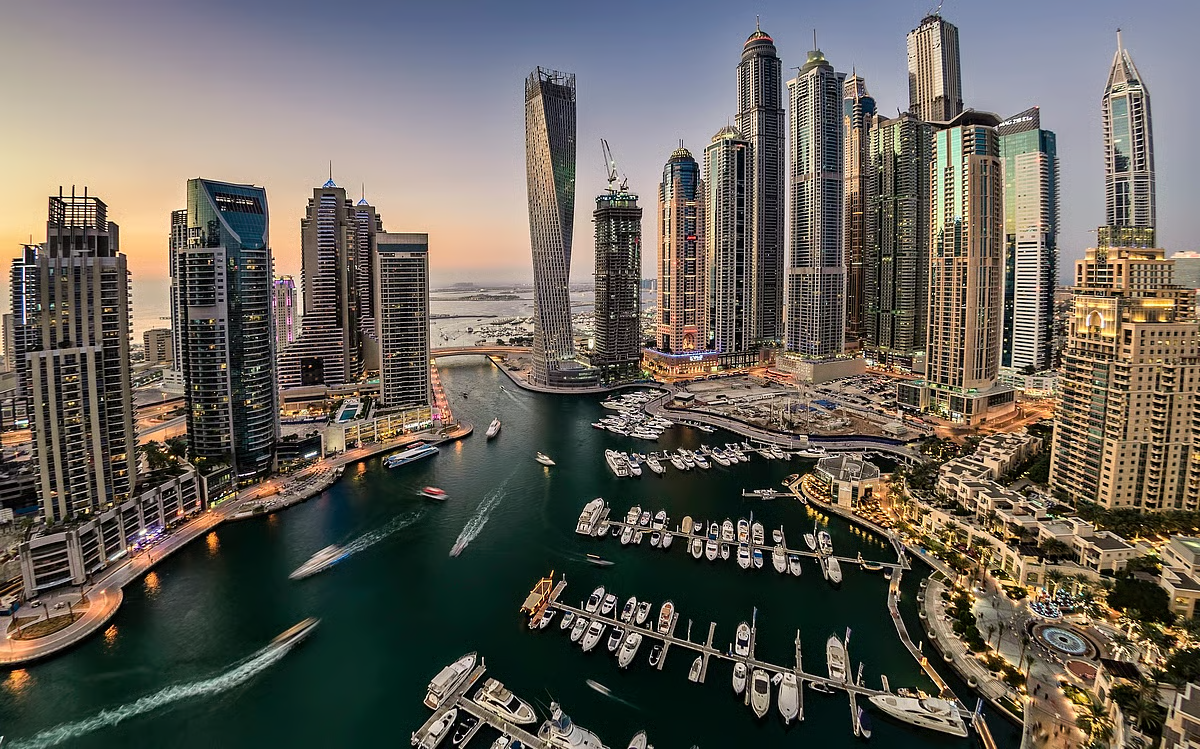

The housing market in Dubai is entering a pivotal phase as developers and city planners gear up for a major wave of new home deliveries in 2025. While headlines talk of “44,000 new homes”, the true picture is nuanced — and it offers insight into supply, demand, investment risk and opportunity.
The Big Number: What Does 44,000 Represent?
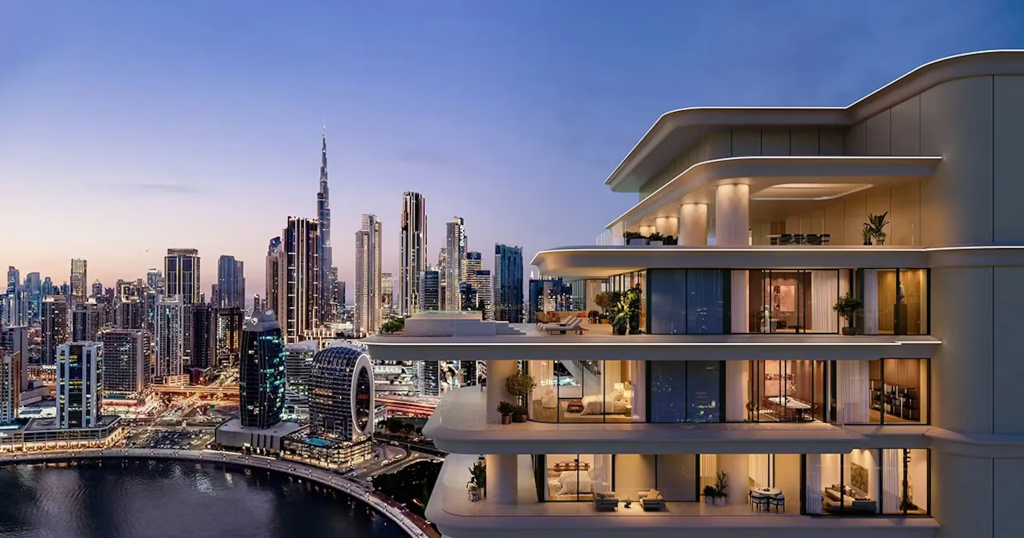
Several sources mention that around 43,000 to 44,000 new residential units are planned for delivery or have been flagged for completion in 2025 in Dubai. For example:
- A real-estate commentary noted approximately “43,000 new residential units … scheduled for delivery by the second half of 2025”.
- Another report showed that the pipeline of units (to end of 2027) was around 243,000 units, with about 80% apartments.
- While not exactly the same number, these figures indicate the scale of new supply anticipated.
Thus the “44,000 homes in 2025” headline emerges from these data points of upcoming hand-overs and completions.
Why This Matters: Supply, Demand & Market Dynamics
Supply Surge
With tens of thousands of units slated for delivery, Dubai’s housing stock is growing rapidly. This has implications for:
- Rental market pressure: More homes entering means more supply competing for tenants, which can reduce upward pressure on rents or even lead to rental softening in certain segments.
- Price stability/adjustment: If supply growth outpaces demand growth, price appreciation might slow, stabilize, or in some segments, correct. Some analysts are already signalling such caution.
- Location and segment risk differences: Luxury villas vs mid-market apartments will behave differently. Some areas may absorb the new supply easily, others less so.
Demand Drivers
Key factors supporting the strong housing demand in Dubai include:
- Population growth: Dubai continues to attract expatriates, professionals, and investors, increasing housing needs.
- International investment: Dubai real estate remains attractive for global buyers with favourable tax, regulation and lifestyle attributes.
- Government policy and infrastructure: The city’s continued investment in infrastructure, amenities and urban planning supports residential expansion.
Risks & Considerations for Buyers, Investors & Residents
- Timing matters: If you’re buying with the expectation of short-term price growth, watch which supply comes first and in which segment. Oversupply may hit some apartment clusters before others.
- Segment by segment: Apartments (especially entry-level) may face more pressure than villas or premium segments. Developer quality, location and finishes will matter.
- Rental returns & yields: With rising supply, rental growth may slow, which affects yields for investment properties. A recent report noted average yields in Dubai: ~7.2% for apartments and ~5% for villas in June 2025.
- Macro / interest rate risk: With global rate shifts and currency linkages (AED is pegged to USD), financing cost changes and investor sentiment changes could impact demand.
- Delivery risk: Projects slated for completion may still face delays. Some reports indicate only ~21% of projects scheduled for 2025 had reached at least 75% progress by mid-year.
- Value-focus vs speculation: Market conditions favour those who assess long-term value (location, infrastructure, quality) rather than chasing speculative short-term gains.
Outlook: What Might Happen & What to Watch For
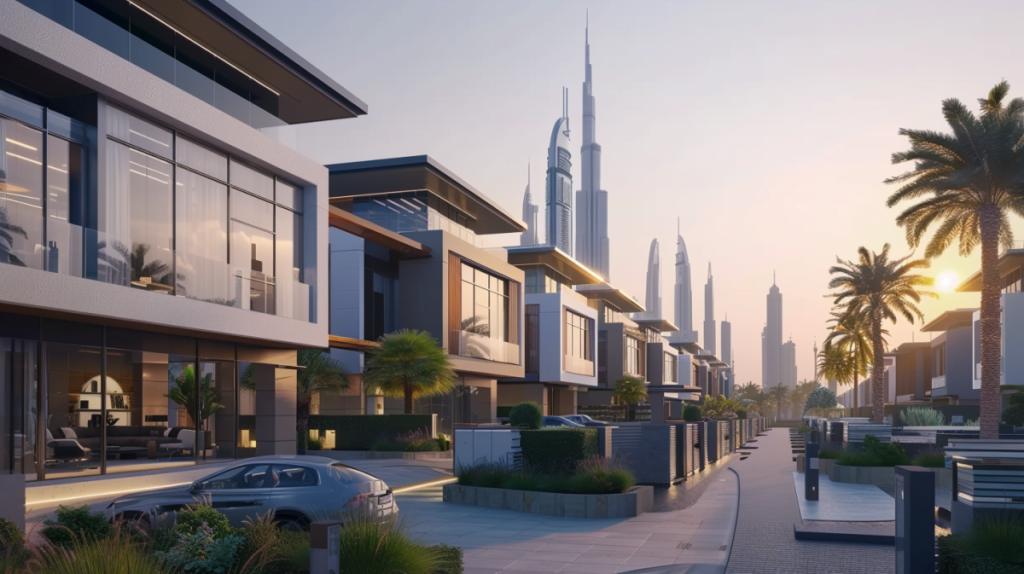
- Short term (2025): Expect the supply wave to hit many neighborhoods. Those with strong infrastructure, transport links and community amenities will likely perform best. Some areas may face rental stagnation or increase only modestly.
- Medium term (2026-27): With large supply delivered, the market may begin a phase of absorption and stabilization. Price growth may moderate; certain segments may see correction or slower growth.
- Long term (beyond 2027): The structural drivers remain — global capital inflows, infrastructure growth, strategic location. The winners will be high-quality properties in strong locations. The broader market may shift towards more sustainable growth rather than rapid expansion.
Key metrics to monitor going forward:
- Actual handover numbers by district
- Rental price trends in newly delivered communities
- New buyer/investor demographic activity
- Construction completion status vs planned
- Infrastructure improvements (transport links, amenities) in new areas
Conclusion
The announcement of “44,000 new homes” in Dubai in 2025 is a strong indicator of where the city’s residential market is heading: a major supply phase aligned with long-term demand drivers, but also one that brings risk of oversupply, especially if demand growth slows or segments become saturated.
For buyers or investors, this means opportunities abound — but careful due diligence, timing awareness and a focus on location/quality will differentiate successful choices from those that might under-perform.


Leave a Reply