
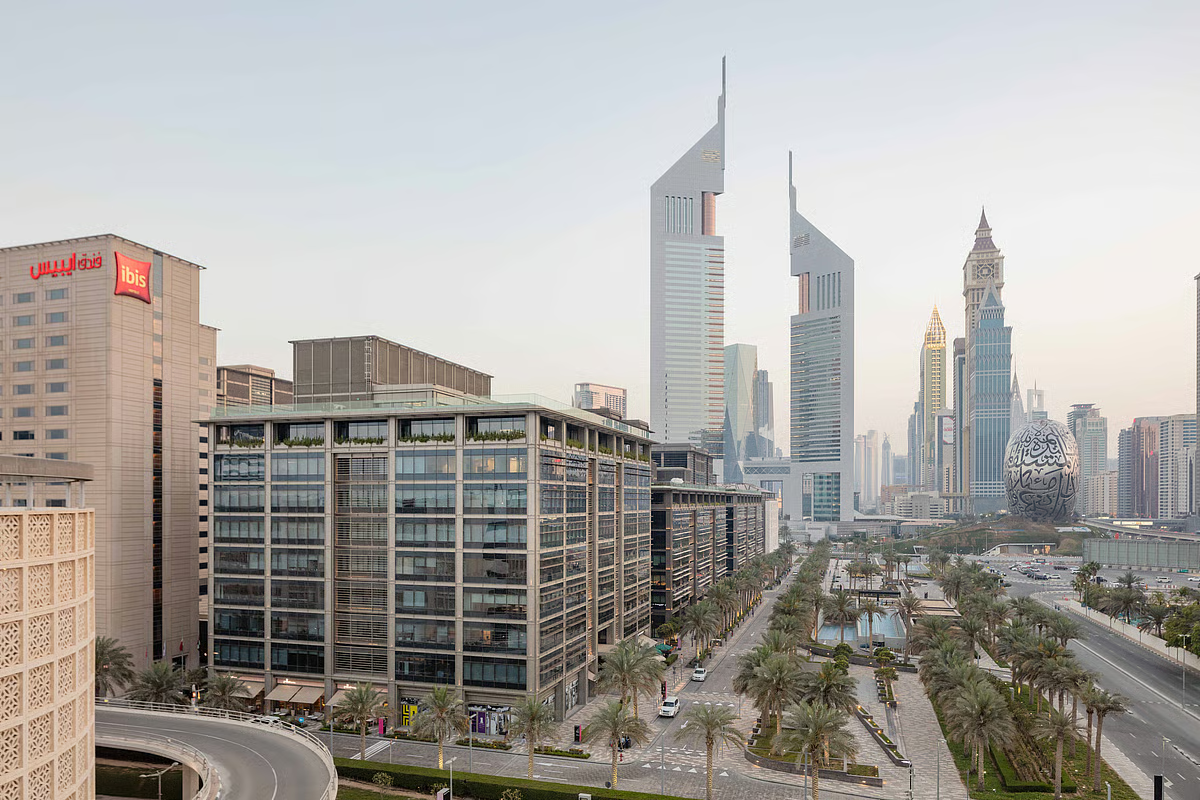

Dubai’s office market is going through a period of strong growth — in sales, rents, transactions, and investor confidence. A variety of forces are combining to make it one of the more attractive commercial real estate markets globally. Below is an overview of what’s driving this strength, what risks to watch, and what to expect in the near term.
Key Drivers of Strength
- Strong Demand from Multiple Sectors
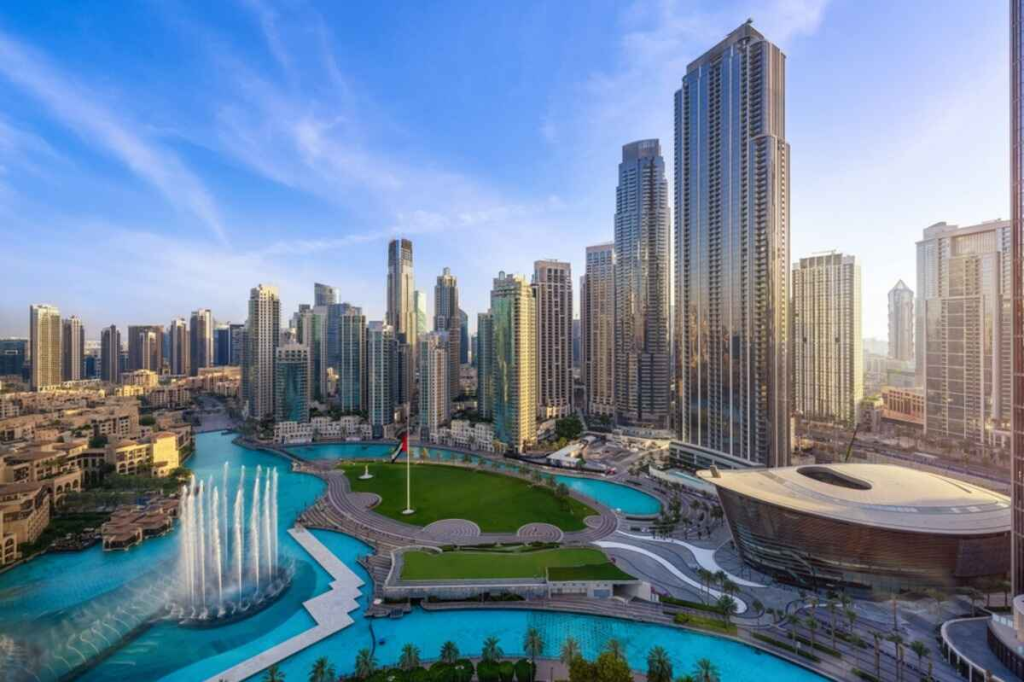
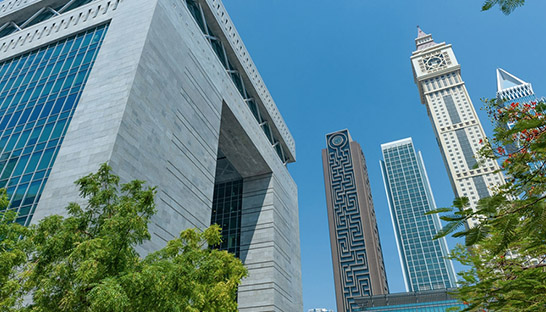
The demand is coming not just from one corner, but from many sectors: finance, business services, tech, real estate, and consulting are among the top drivers. Free zones (DIFC, DWTC, Dubai Internet City, etc.) that offer regulatory and logistical advantages are especially popular. - High Occupancy and Low Vacancy
Occupancy rates for Grade A office space in prime areas are very high — often in the upper 90s for free zone areas. Overall city occupancy is also rising (in many reports, over 90 % or more).
Vacancy remains low, especially in core business districts. That puts upward pressure on both rents and sales values. - Rapid Rental Growth
Rents, particularly in top-tier submarkets (DIFC, Business Bay, Downtown Dubai, TECOM), are growing fast. Year-on-year rental increases of 25‑45 % are reported in many of these areas.
Effective occupier costs (which take into account more than just base rent, factoring in fit-out, etc.) are also rising. - Capital Value Appreciation
Office capital values have shot up in recent years. For example, average sales prices in prime submarkets such as Downtown have reached AED 5,000+ per square foot in H1 2025.
Also, average values per square foot across many office properties have risen significantly over the past few years. - Investor Confidence & Institutional Participation
There is growing investor interest: more high‑value transactions, more off‑plan sales, and more institutional-grade office assets being sought after. Developers/investors are launching projects or investing in office towers, expecting continued demand.
Free zones’ regulatory benefits, licensing, and clustering effects also draw international firms, which feeds further demand and confidence. - Limited Supply in Prime Districts
While there is a pipeline of new supply, much of it is either pre‑leased (i.e. committed before delivery) or still some time away. The scarcity in prime areas continues to support strong rentals and capital values.
Also, the quality expectations are rising — tenants now want well‑specified Grade A offices with good amenities, ESG standards, etc. So even when supply arrives, it’s not always substitutable for existing high‑end stock. - Regulatory & Business Environment Tailwinds
Dubai has continued to improve its attractiveness for companies: favorable business licensing, free zones, visa/regulatory reforms, enhanced connectivity, infrastructure investments, and reputation as a regional hub. These factors help attract both start‑ups and big multinationals.
Where It’s Especially Strong
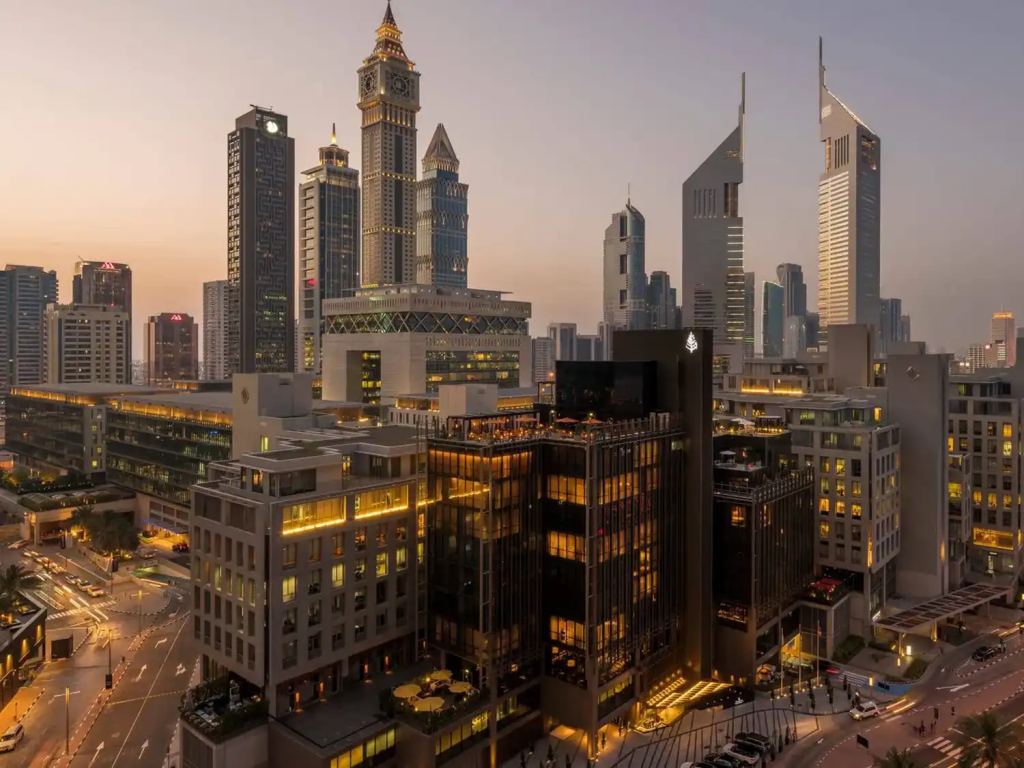
- Free Zone Districts like DIFC, DWTC, Dubai Internet City, where occupancy is very high, often near saturation.
- Business Bay, Downtown Dubai and TECOM, which are top‑performing in terms of both sales price and rental growth.
- Emerging or less central submarkets are also seeing growth (though from a lower base), especially where affordability is better or infrastructure is improving. Examples include Expo City, Dubai South, etc.
Risks & Challenges
While the momentum is strong, there are some risks and headwinds that could temper growth or introduce volatility:
- Supply Catching Up
Projects currently in the pipeline (especially large ones like DIFC Square, Immersive Tower) when delivered might ease some of the upward pressure. However, many of those spaces are already pre‑committed, but the risk remains that once new supply hits, rent growth could moderate. - Rising Costs
Fit‑out costs, construction material costs, energy costs, etc., are factors affecting occupier cost. Even if base rents rise, total costs may shift decisions. - Global Economic & Geopolitical Uncertainty
Economic slowdowns elsewhere, currency risks, inflation, or geopolitical tensions can affect investor sentiment, capital flows, and corporate expansion plans. Dubai competes globally; if other gateways become more attractive or less risky, some demand could shift. - Affordability Constraints for Smaller Firms
As rents escalate, smaller companies or startups may be priced out of prime locations, leading to demand for sub‑prime or fringe market spaces. There’s already evidence that some firms are looking for cost‑effective alternatives. - Regulatory and Policy Risks
Though Dubai has been very proactive, changes in regulations, taxes (if any introduced), visa/work rules, or licensing could influence decisions. Also, oversupply in certain non-core segments or weaker quality stock could drag segments.
What to Watch / Near‑Term Projections
- Continued Rental Growth but Possibly Slowing in Some Submarkets
Some reports indicate that rents in certain areas may be stabilizing (no big quarterly increases) even if they remain high year‑on‑year. - Larger Space Demand Increasing
Firms are shifting from very small units (<10,000 sq ft) toward larger footprints (10‑20,000 sq ft or more), driven by expansion of operations or consolidating multiple smaller offices into one. - More Off‑Plan & Investment Sales
Investor appetite remains strong, so more purchases of office assets (not just leases) are likely. Off‑plan deals are rising, showing confidence in future returns. - Upgrading and Specialization
More demand for Grade A space, better amenities, ESG features, good tech infrastructure, flexible layouts, and hybrid working‑friendly designs. Buildings that cannot meet evolving tenant expectations may suffer. - Emerging Submarkets Gaining Traction
Areas outside core districts that offer better value but improving infrastructure will continue to get interest. Also, free zones will keep being strong magnets.
Conclusion
Overall, the Dubai office market is well positioned for continued strength. The combination of strong demand, constrained supply (especially for high‑quality office space), favorable policies, and growing investor confidence create a powerful upward momentum.
For businesses, there’s both opportunity and caution: early movers in prime locations or high quality space are likely to benefit from rising rents, prestige, and good infrastructure. But those that wait too long may face higher costs or fewer choices.
For investors, this is a favourable environment, though careful selection of location, building quality, tenancy profile, and lease terms will be even more important going forward.



Leave a Reply