

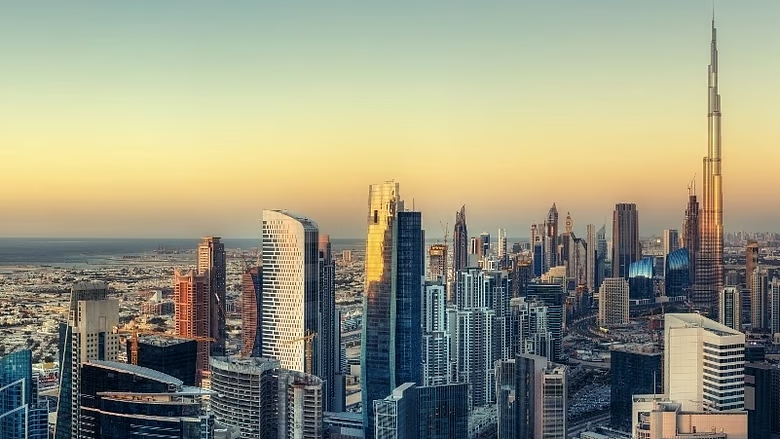

Over the past half decade, Dubai’s real estate market has seen striking acceleration. According to reports, real prices have climbed by 50 % compared to five years ago, placing Dubai among the fastest‑rising housing markets globally.
UBS’s 2025 Global Real Estate Bubble Index elevated Dubai from 14th to 5th among major cities for “bubble risk,” citing the mismatch between home‑price growth and income growth, rapid population inflows, and robust foreign demand.
This rapid ascent begs a natural question: Is the Dubai property market entering bubble territory? Or is the momentum underpinned by fundamentals which can support continued expansion?
Signs Suggesting Bubble Risk
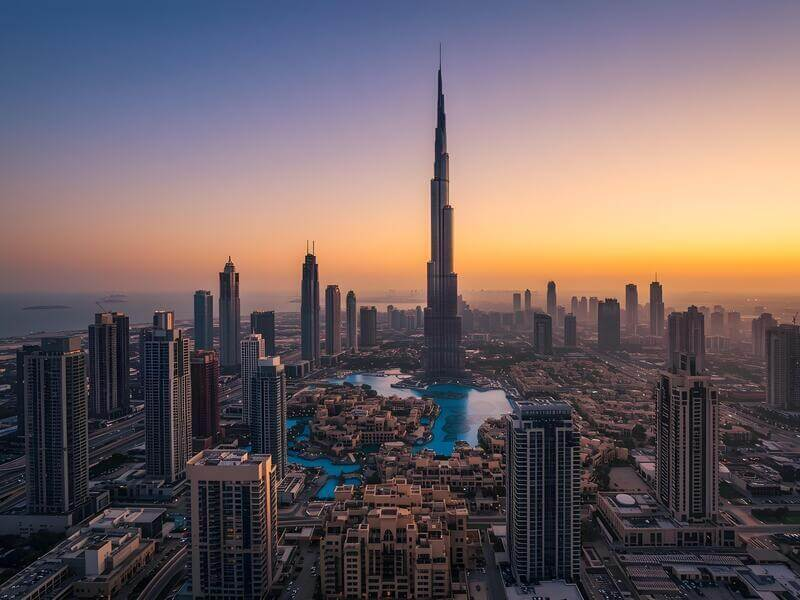
Several red flags and risk factors are emerging, which merit careful scrutiny:
1. Speculative & Off‑Plan Demand
A notable share of recent purchases are off‑plan units (i.e. properties sold during construction). These are often bought with the intention to flip rather than to occupy.
When many buyers are speculators, the risk is that if sentiment cools or credit tightens, those buyers may not be able to pay remaining instalments or may rush to sell, creating downward pressure.
2. Oversupply Risk
Construction permits and project launches suggest a resurgence of large supply volumes. UBS warns that new construction could approach levels seen in 2017.
Fitch projects that 210,000 units will be delivered in 2025–2026. That surge in inventory, especially in lower‑end and mid‑segment apartments, may outpace demand and cause price corrections of up to 15 %.
3. Disconnect Between Incomes & Prices
One common metric of bubble risk is affordability. In Dubai’s case, incomes have not kept pace with the rate of property-price increases, which means buyers must stretch more or rely on speculative capital.
4. Historical Precedent & Cyclicality
Dubai’s real estate history includes sharp downturns. After the 2008 global financial crisis, property prices in Dubai dropped roughly 40 % in early 2009.
Given this track record of boom–bust cycles, many analysts caution that exuberance should be tempered with humility about downside risk.
5. Cooling Signals & Saturation
There are hints that parts of the market are slowing. For instance, reports show that “flipping” has dropped from 33 % of resale activity to 20 %.
In January 2025, property prices experienced a slight decline (–0.57 %) — the first drop since mid‑2022 — raising questions about whether the market might be entering a stabilization phase.
Arguments Against an Imminent Crash
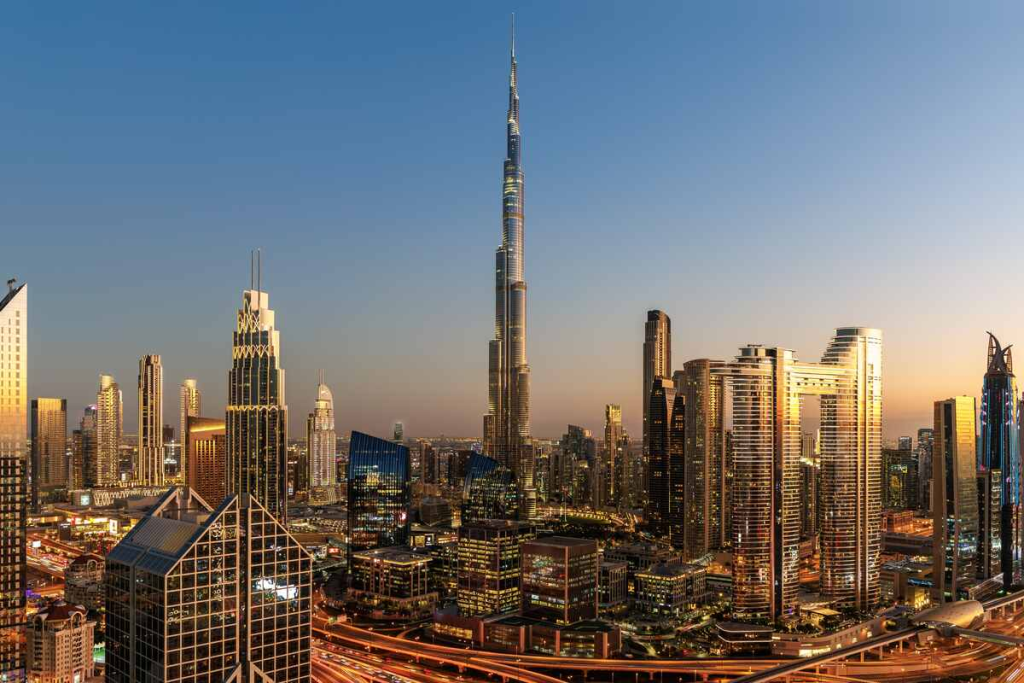
However, it’s not unanimous that a crash is around the corner. Several counterarguments and stabilizing features are worth considering:
1. Strong Demand & Population Growth
Dubai’s population has grown significantly in recent years, partly due to migration and the appeal of the city as a safe, business‑friendly global hub.
As long as new arrivals, expatriates, and investors continue to seek residence, demand may absorb much of the new supply.
2. Diversified Economy & Policy Support
Dubai has sought to move beyond oil dependence by emphasizing tourism, logistics, financial services, tech, and real estate itself. This economic diversification gives the property market additional support.
Moreover, the government has adopted regulatory frameworks (such as RERA, escrow protections) aimed at reducing developer risk and instilling investor confidence.
3. Gradual Adjustment Rather Than Collapse
Some experts argue that the market may not see a dramatic crash but instead a mild correction or stabilization.
They point out that conditions aren’t showing euphoria of past cycles; instead price growth is high but still backed by rental growth and global capital flow.
4. Pricing Relative to Global Cities
Despite rapid growth, Dubai remains more affordable than certain global peers (e.g. Hong Kong, London) when adjusted for square-meter price or local earnings power.
This relative value proposition continues to attract foreign capital, especially for second homes or investment properties.
What Could Trigger a Breakdown?
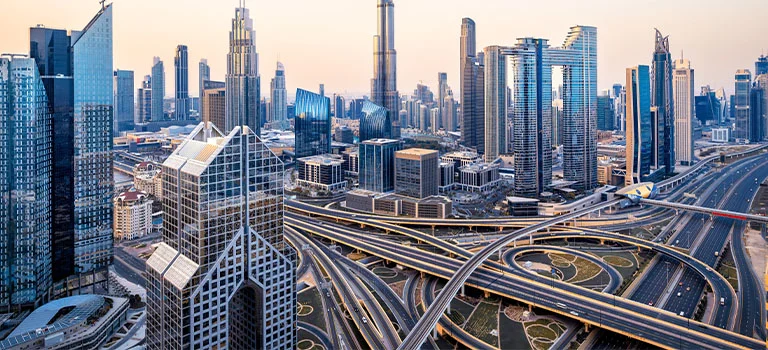
While the base case may lean toward stabilization or a mild correction, the risk of a sharper downturn rises if combinations of the following adverse conditions occur:
- A global economic slowdown or recession dampening capital flows and investor sentiment
- Rising interest rates or tighter credit conditions making mortgages more expensive and less accessible
- Delays, non‑completion, or defaults in off-plan projects undermining confidence
- Currency or inflationary pressures reducing real purchasing power
- Sudden overbuilding and oversupply in less resilient segments
In those scenarios, the speculative component could unwind quickly, pushing prices downward more sharply than many expect.
What to Watch: Key Metrics & Signals
For investors, developers, or observers, here are a few indicators to monitor for signs of stress or a turning point:
| Metric / Signal | Why It Matters |
|---|---|
| Unsold inventory & absorption rates | High inventory relative to absorption suggests oversupply |
| Off‑plan sales vs ready sales ratio | A very high off-plan share may reflect speculative demand |
| Mortgage/non‑performing loan trends | Increasing defaults or stressed borrowers signal trouble |
| Monthly price trends in “mid-tier” segments | Luxury segments may hold longer; weakness often starts in mass housing |
| New project launches and permits | If many new projects are approved in softening cycle, risk rises |
| Rental yields vs capital growth | If yields compress while prices remain high, valuation gets stretched |
| Transaction volumes | Falling volumes typically precede price declines |
Outlook: Cautious Optimism, but Watch the Flip Side
Given the 50 % price increase over five years and the signs of speculative demand and supply growth, the Dubai market certainly carries elevated bubble risk. Analysts from credit agencies and rating firms expect a potential correction in the range of 10–15 % in 2025–2026.
However, the presence of strong demand drivers, supportive macro policy, and urban growth could act as buffers. The most probable scenario may be a soft landing or modest correction rather than a catastrophic crash — unless external shocks or systemic stress combine to unbalance the market.
For potential buyers or investors, the strategy is to remain vigilant:
- Focus on high-quality properties in resilient segments (prime locations, well-known developers)
- Avoid overleveraging — maintain margin of safety
- Monitor emerging signs of weakness rather than riding momentum blindly
- Consider holding periods to absorb cycles
- Stay diversified across assets and geographies
In short, the steam rising from Dubai’s real estate boiler is real — but whether it becomes a safe, hot bath or an overheated burst depends on both internal balance and external shocks.
If you like, I can also provide projected price paths, scenario simulations (e.g. 5 % drop, 15 % drop), or comparisons with past cycles in Dubai or other cities. Do you want me to crunch those next?

Leave a Reply