
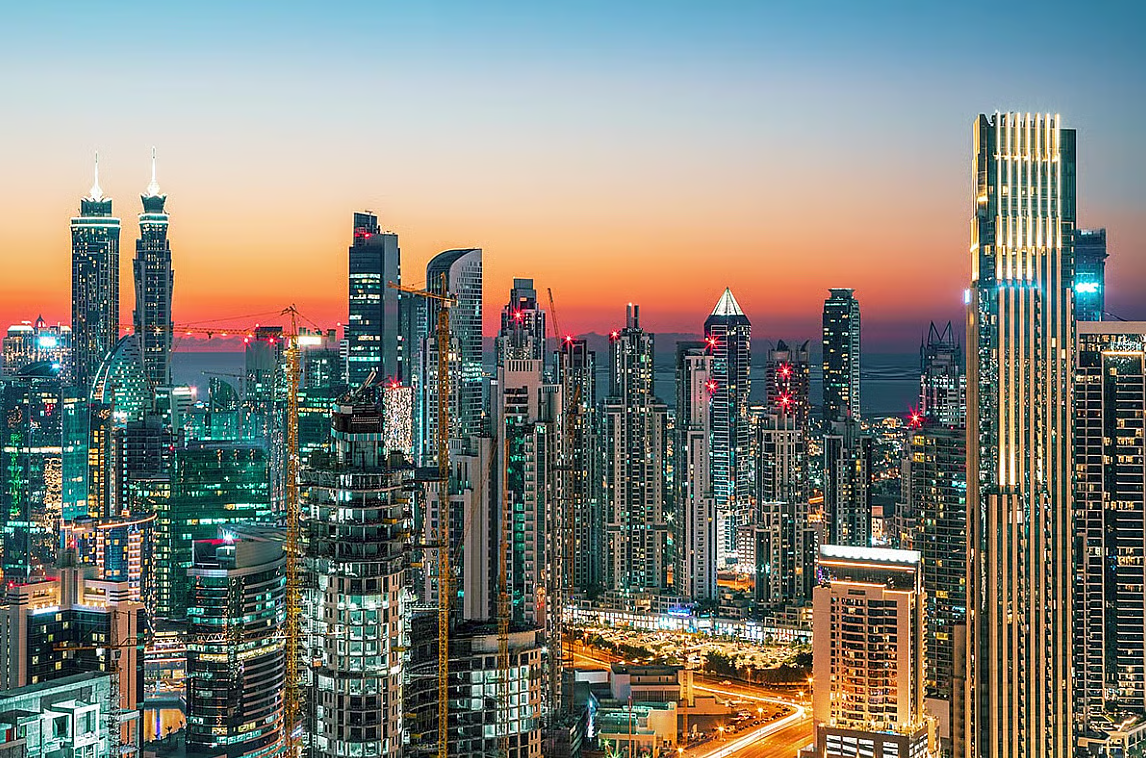

Dubai’s rental market is heading into 2026 with renewed upward momentum, as population growth, sustained economic expansion, and continued inflows of global talent place increasing pressure on housing supply. Industry forecasts suggest that rents across key residential segments could rise by up to 6% in 2026, reflecting demand fundamentals rather than speculative surges. This trend highlights Dubai’s transition into a more mature, population-driven real estate cycle, where long-term residents and end users play a central role.
Population Growth Fuels Rental Demand
At the core of Dubai’s rising rental outlook is its rapidly expanding population. Over the past few years, the emirate has welcomed a steady stream of professionals, entrepreneurs, investors, and families drawn by economic opportunity, safety, lifestyle quality, and progressive visa policies. Long-term residency visas, remote work permits, and business-friendly regulations have encouraged many expatriates to settle permanently rather than view Dubai as a short-term posting.
As population numbers climb, the demand for rental housing — particularly well-located, mid-income, and family-friendly communities — continues to outpace available supply. This imbalance is a key driver behind expected rental increases in 2026.
A Shift from Volatility to Stability
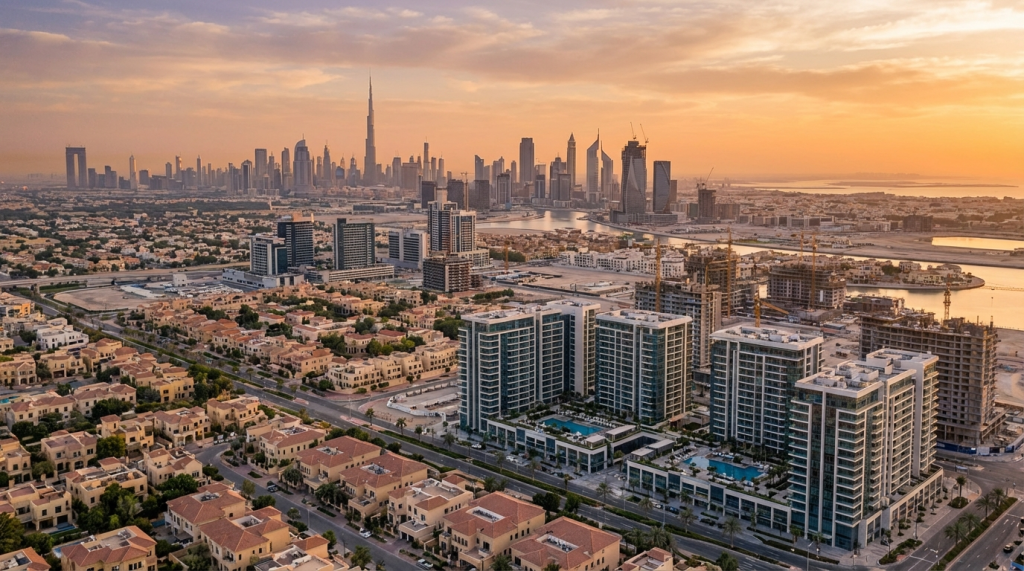
Unlike earlier cycles marked by sharp spikes or sudden corrections, the anticipated rent growth in 2026 is expected to be measured and sustainable. Analysts note that the market has largely moved beyond post-pandemic volatility into a phase shaped by genuine occupancy needs. Rental increases of up to 6% reflect structural demand rather than speculative behavior, signaling healthier long-term market conditions.
This stability benefits both landlords and tenants. Property owners gain predictable income growth, while tenants face fewer abrupt rental shocks compared to earlier boom-and-bust periods.
Which Segments Will See the Highest Increases?
Rental growth in 2026 is unlikely to be uniform across all areas. Instead, increases will be selective and location-driven, influenced by connectivity, community amenities, and affordability.
Mid-Market Apartments
Communities catering to working professionals — such as Jumeirah Village Circle, Dubai South, Arjan, and parts of Dubailand — are expected to see steady rent increases. These areas combine relatively affordable pricing with improving infrastructure, making them attractive to both tenants and investors.
Family-Oriented Communities
Townhouses and villas in well-planned suburban developments may experience stronger demand, especially from families seeking space, schools, and lifestyle amenities. As more residents transition from renting apartments to larger homes, competition in these segments is intensifying.
Prime and Waterfront Locations
While luxury areas such as Downtown Dubai, Dubai Marina, and Palm Jumeirah already command premium rents, growth here is expected to be moderate. High base prices naturally limit sharp increases, but consistent international demand continues to support rental resilience.
Supply Is Growing — But Not Fast Enough
Dubai has an ambitious pipeline of residential projects scheduled for completion over the next few years. However, much of this supply is concentrated in off-plan developments that will be delivered gradually. In the short term, new handovers may not fully absorb the surge in population-led demand.
Additionally, not all new supply matches tenant preferences. Properties that lack connectivity, community infrastructure, or quality management may struggle to attract renters, while well-designed developments in strategic locations continue to command higher rents.
This mismatch between quantity and suitability is one reason rental pressure remains upward despite ongoing construction activity.
Economic Growth Supports Rental Confidence
Dubai’s broader economic performance underpins rental market strength. Growth in sectors such as technology, finance, tourism, logistics, and clean energy has expanded employment opportunities and raised household incomes. As a result, many residents can absorb moderate rent increases, particularly when balanced against income growth and lifestyle benefits.
Tourism recovery and global business events also contribute indirectly by boosting short-term leasing demand, which can spill over into the long-term rental market in high-traffic districts.
Rents vs. Ownership: A Shifting Calculation
As rents rise, more residents are re-evaluating the rent-versus-buy equation. In some cases, mortgage payments on entry-level homes are approaching annual rental costs, prompting tenants to explore homeownership. However, high down payments and interest rate considerations mean renting remains the preferred option for many — especially newer residents.
This dynamic ensures that rental demand remains strong even as the sales market grows, reinforcing upward pressure on rents through 2026.
Impact on Tenants
For tenants, a 6% potential increase underscores the importance of planning and negotiation. Long-term lease renewals, early renewals, and selecting emerging communities may help mitigate cost pressures. Many tenants are also prioritizing value — choosing homes with better layouts, energy efficiency, and access to transport to justify higher rents.
Despite rising costs, Dubai remains competitive compared to other global cities offering similar lifestyle standards, safety, and income potential.
Opportunities for Landlords and Investors
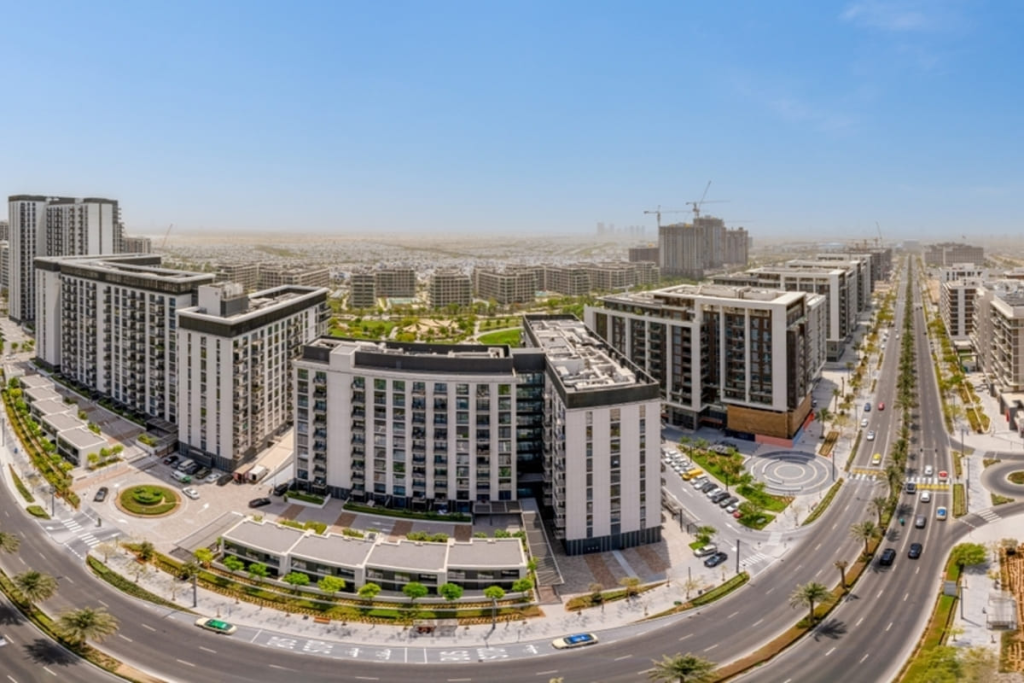
From an investment perspective, rising rents strengthen Dubai’s appeal as a yield-driven market. Stable rental growth enhances cash flow predictability, particularly in mid-market segments where yields tend to outperform luxury assets.
Investors are increasingly focusing on:
- Properties near metro lines and business hubs
- Communities with schools and retail integration
- Units suited for long-term family tenants
These factors reduce vacancy risk and support consistent rental income growth.
Regulation and Market Balance
Dubai’s rental market is supported by a transparent regulatory framework that promotes fairness and market stability. Rental indices and caps help prevent excessive increases, ensuring that growth remains aligned with economic fundamentals rather than speculation.
This regulatory oversight plays a crucial role in maintaining tenant confidence while allowing landlords to benefit from natural demand-led appreciation.
Looking Ahead to 2026
The outlook for Dubai’s rental market in 2026 reflects a city evolving alongside its population. Moderate rent increases of up to 6% are less a sign of overheating and more an indication of organic growth driven by people choosing Dubai as a long-term home.
As infrastructure expands, communities mature, and population growth continues, rental demand is expected to remain strong — particularly for properties that offer connectivity, livability, and value.
Conclusion
Dubai’s rental market is set to continue its upward trajectory in 2026, supported by population growth, economic resilience, and sustained housing demand. While renters may face moderate cost increases, the broader market benefits from stability, transparency, and long-term confidence.
In an era where many global cities struggle with housing shortages and volatility, Dubai’s measured rental growth reflects a maturing real estate ecosystem — one increasingly shaped by real people, real demand, and long-term urban planning rather than short-term speculation.

Leave a Reply