

Dubai, once known predominantly as a fast-paced, transient expatriate hub where professionals came for a few years before returning home, is entering a new era of stability and long-term residency. According to the most recent Future Living Report 2025 by betterhomes, the average length of residency in Dubai has soared to roughly 10.5 years — up significantly from 7.5 years in 2024. Nearly 60 % of residents now plan to stay in the emirate for more than a decade.
This milestone signals a fundamental shift not just in property market dynamics, but in the very perception people have of Dubai — from a temporary work destination to a place people truly call home.
A New Narrative: From Transience to Permanence
For decades, Dubai’s reputation among expatriates was shaped by short-term contracts and a revolving door of global talent. Workers often came for two to three-year stints, propelled by lucrative tax-free salaries, fast career progression, and the adventurous lifestyle the emirate offered. But long-term settlement remained rare.
However, this narrative is rapidly changing. The data now shows that both renters and homeowners are thinking long-term.
- In 2024, tenants reported an average stay of about 6.7 years.
- By 2025, that figure jumped sharply to approximately 9.9 years, with tenants now expecting to stay around 10.7 years on average.
This dramatic increase underscores a deepening emotional and financial commitment to the city — a commitment that goes well beyond shorter employment cycles.
Why Are People Staying Longer? Key Drivers Behind the Trend
1. Confidence in Long-Term Stability
The most obvious reason residents are choosing to remain in Dubai is confidence in the city’s stability and long-term prospects. Dubai has successfully diversified its economy over the past decade, reducing dependence on oil and attracting investments in tourism, finance, technology, green energy, and logistics. This economic resilience has created more robust job opportunities and reduced the uncertainty that once drove expatriates to view Dubai as a temporary stopover.
Additionally, broader global economic instability — including geopolitical tensions, inflationary pressures, and shifting labor markets — has made Dubai’s relative stability all the more appealing. People are thinking in terms of decades, not years.
2. Evolving Visa and Residency Policies
Dubai’s progressive immigration policies have played a significant role in transforming its demographic fabric.
The introduction and expansion of long-term visas, such as the 5-year and 10-year Golden Visa, have enabled many expatriates to live, work, and raise families in the UAE without the uncertainty associated with short-term work visas. These visas are available to investors, entrepreneurs, specialized talents, and other key contributors, and often allow holders to sponsor family members — a key factor for those considering long-term settlement.
By offering a pathway to greater security and a sense of permanence, these policies have helped many residents shift from a transitory mindset to long-term planning.
3. A Booming Property Market Encouraging Ownership
The real estate market in Dubai has responded strongly to the increased desire to settle. Dubai Land Department data shows that in the first half of 2025, more than 125,000 real estate transactions took place, totaling nearly Dh431 billion. Investor activity has also surged, with **94,717 new investors entering the market — a 26 % increase year-on-year — and about 45 % of these investors were UAE residents.
What’s particularly notable is the rising trend of residents transitioning from renting to owning property. As individuals and families become financially established, homeownership becomes both a symbol and a facilitator of long-term permanence. Owning property provides not just equity growth but also psychological roots in the community.
4. A High Quality of Life
One of Dubai’s greatest draws has always been its high standard of living. World-class infrastructure, excellent healthcare facilities, global schooling options, and a safe, clean environment make it especially appealing for families.
Dubai’s multicultural fabric also helps expatriates feel at home; more than 200 nationalities live and work in the city, creating a cosmopolitan yet inclusive environment. Community engagement, cultural events, sporting opportunities, and lifestyle amenities add further to the sense of belonging.
5. Economic Opportunities and Global Connectivity
Dubai positions itself as a global gateway — a strategic hub connecting East and West. With free zones, business-friendly regulations, and a rapidly growing tech and finance sector, the emirate offers business and career opportunities that are hard to match elsewhere.
This global connectivity makes Dubai attractive not just for individual careers, but also for company expansion, startups, and international professionals seeking to leverage global markets from a central base.
The Tenant Story: Vision, Stability, and Future Plans
Perhaps the most striking aspect of the tenure shift is the change in tenants’ mindset.
Previously, many residents opted to rent because it required less commitment. Renting allowed people to stay flexible, shift homes with ease, or exit quickly if work opportunities arose elsewhere. But now, even renters are showing a strong preference for stability:
- In 2024, tenants reported stays of about 6.7 years.
- In 2025, that jumped to nearly 9.9 years, with future expectations at 10.7 years.
Such a leap indicates that people are no longer viewing Dubai merely as a stopgap — they’re planning careers, family life, schooling, and long-term financial strategies around life in the emirate.
This shift is also mirrored in rising property ownership aspirations, with surveys showing a growing percentage of tenants planning to buy homes rather than continue renting.
Implications for Dubai’s Future
Economic Impact
Longer resident tenures contribute to a more stable and mature economy. When people stay longer, they invest more — not just in property, but in businesses, local spending, schools, and long-term savings plans. This boosts sectors from retail to services and enhances consumer confidence.
Community Development
A more permanent population nurtures deeper community bonds and cultural integration. Families raise children who attend local schools; professionals build networks that extend beyond work; clubs, associations, and local initiatives benefit from engaged long-term residents.
Real Estate Market Evolution
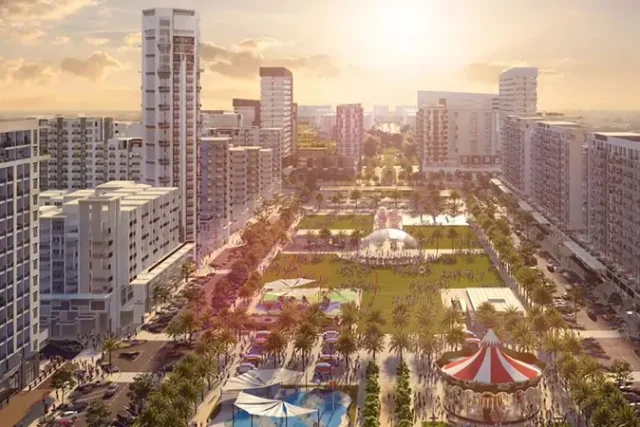
A stable resident base encourages developers to create mixed-use communities with long-term sustainability in mind — projecting beyond the speculative, short-term housing developments of the past. Balanced supply pipelines and stabilizing rental markets are signs of a maturing ecosystem.
Conclusion: Dubai Isn’t Just a Stop — It’s Home
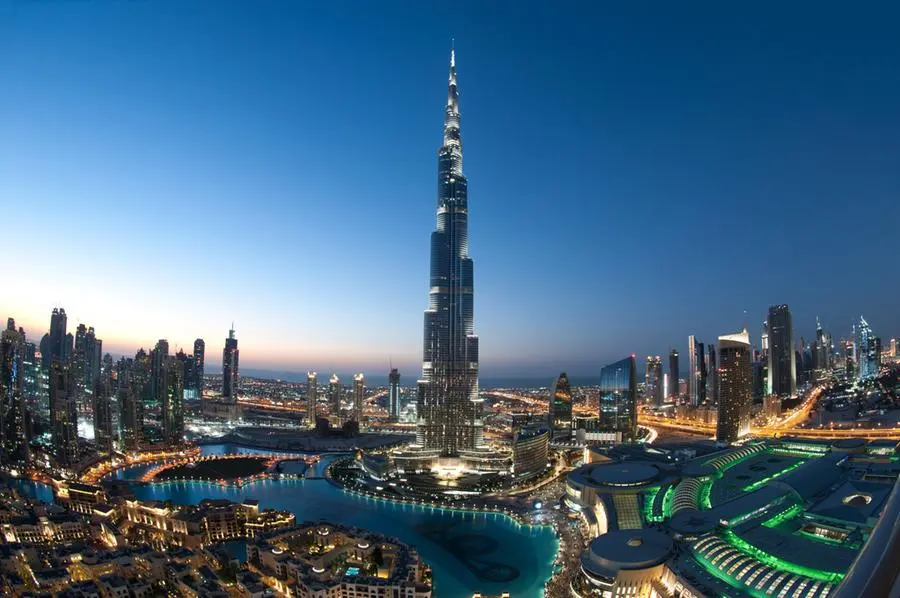
Dubai’s iconic skyline, thriving economy, and unmatched global connectivity have long drawn international attention. But the true transformation now lies in how people — from all corners of the world — increasingly choose not to leave. The surge in average residency to over a decade reflects rising confidence, enhanced quality of life, and a deeper emotional tie to the city.

Leave a Reply