
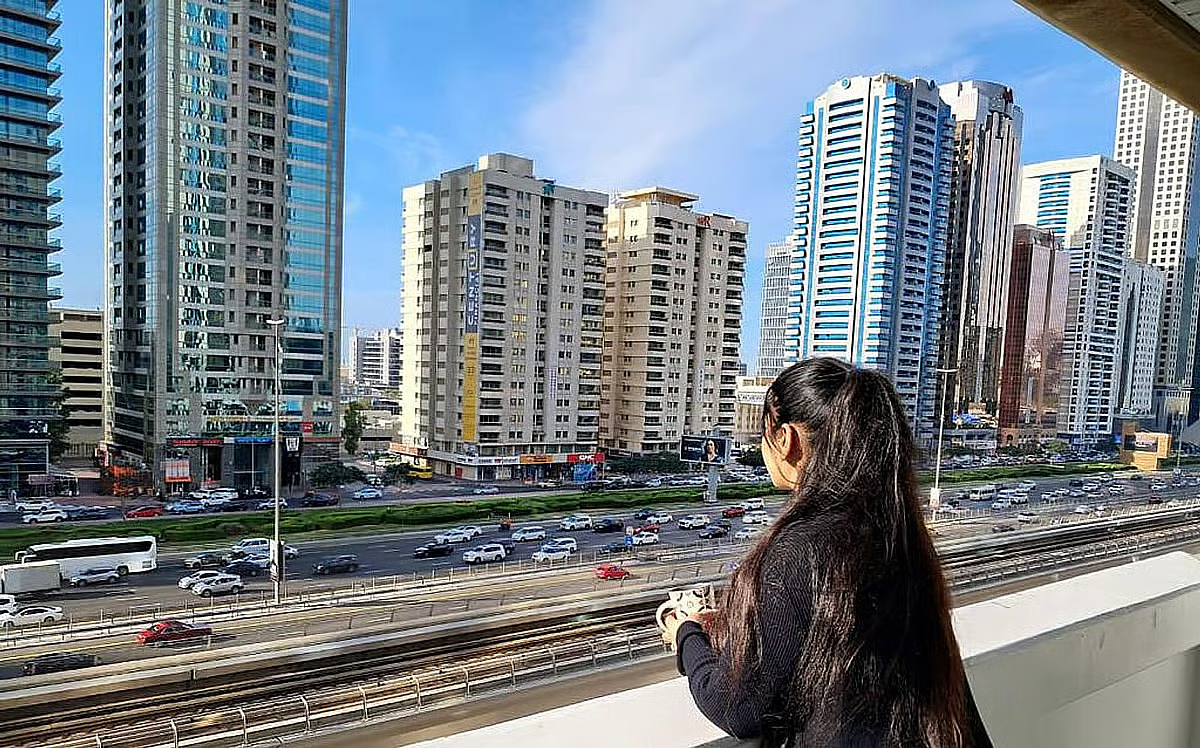

Dubai’s short-term rental market has evolved far beyond a seasonal tourism play. As the city continues to position itself as a global hub for business, lifestyle, and innovation, a new generation of travelers and residents—Gen Z—is reshaping demand patterns in ways that are expected to define the market through 2026 and beyond. Longer stays, flexible living, digital mobility, and lifestyle-driven choices are now at the core of Dubai’s short-term rental growth story.
From digital nomads and young entrepreneurs to remote workers and content creators, Gen Z is driving a shift that blends hospitality with residential living. This transformation is influencing how properties are designed, marketed, priced, and managed across Dubai’s most sought-after neighborhoods.
The Rise of Gen Z as a Rental Powerhouse
Born between the late 1990s and early 2010s, Gen Z is entering the workforce with values that differ sharply from previous generations. Ownership is no longer the primary aspiration; experience, flexibility, and location freedom matter more. Dubai, with its safety, infrastructure, global connectivity, and lifestyle appeal, aligns perfectly with these priorities.
Unlike traditional tourists, Gen Z renters often stay for weeks or months, not days. Many arrive on remote-work arrangements, freelance contracts, startup ventures, or extended travel plans. Short-term rentals—particularly serviced apartments and professionally managed holiday homes—offer the ideal balance between comfort, privacy, and flexibility.
This demographic shift has contributed to a steady rise in mid-term stays (30–180 days), blurring the line between short-term rentals and long-term leasing.
Longer Stays Are the New Normal
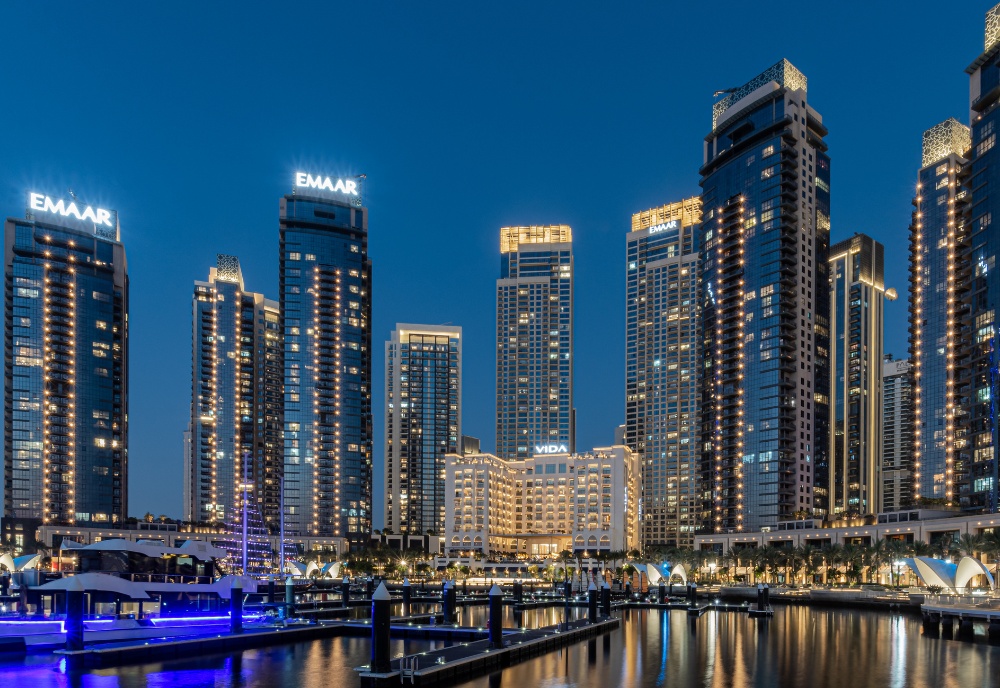
One of the most significant trends shaping Dubai’s rental market is the move toward longer stays. Several factors are driving this change:
First, remote and hybrid work has become widely accepted. Many global companies now allow employees to work from anywhere, enabling younger professionals to base themselves in Dubai for extended periods while remaining employed abroad.
Second, visa reforms—including long-term residency options, freelance permits, and digital nomad visas—have made it easier for young professionals to legally live in Dubai without permanent employment in the UAE.
Third, the cost comparison works in Dubai’s favor. While nightly rates for short stays can be high, monthly and multi-month rental packages often offer better value than traditional leases, especially when utilities, internet, and furnishings are included.
For Gen Z renters, flexibility matters more than permanence. The ability to extend, shorten, or relocate without long contractual commitments is a major draw.
Lifestyle Over Luxury—But With Standards
Unlike older luxury-focused travelers, Gen Z prioritizes lifestyle functionality over opulence. While Dubai is known for high-end properties, demand is strongest for rentals that offer:
- High-speed internet and dedicated workspaces
- Fully furnished, move-in-ready interiors
- Access to gyms, pools, and social areas
- Walkable neighborhoods with cafés and retail
- Proximity to beaches, co-working spaces, and nightlife
Areas such as Dubai Marina, Downtown Dubai, Business Bay, JVC, and Palm Jumeirah remain popular, but emerging communities with strong lifestyle infrastructure are gaining traction among younger renters.
Importantly, Gen Z values authenticity and design. Well-styled interiors, natural light, and Instagram-friendly spaces influence booking decisions as much as location or price.
Digital Platforms and Booking Behavior
Gen Z is the first fully digital-native generation, and this is reshaping how short-term rentals are discovered and booked. Traditional booking platforms remain relevant, but social media, peer recommendations, and creator content now play a major role.
Platforms such as Airbnb, Booking.com, and regional property portals continue to dominate, but renters often discover properties through:
- TikTok and Instagram reels
- YouTube vlogs and “day-in-the-life” content
- Influencer recommendations
- Online communities and remote-work forums
Transparency is key. Listings with clear pricing, real photos, fast responses, and flexible cancellation policies perform significantly better with Gen Z audiences.
Investors Are Adapting Their Strategies
As demand shifts toward longer stays and younger tenants, property investors in Dubai are adjusting their strategies. Rather than chasing high nightly rates alone, many are focusing on occupancy stability and average length of stay.
Furnished studios and one-bedroom apartments are particularly popular, offering strong yields with lower turnover costs. Properties designed specifically for short-term and mid-term rentals—rather than converted long-term units—are seeing the strongest performance.
Professional management has also become essential. Gen Z renters expect hotel-level service combined with residential comfort, including seamless check-ins, maintenance support, and digital communication.
Regulation and Market Maturity
Dubai’s short-term rental sector has matured significantly over the past few years. Clear licensing frameworks and regulatory oversight have increased confidence among investors and renters alike.
By 2026, the market is expected to become more structured, with a stronger focus on quality standards, guest experience, and sustainability. This benefits Gen Z renters, who are highly conscious of ethical practices, environmental impact, and community integration.
What the Market Looks Like Going Into 2026
Looking ahead, several trends are expected to define Dubai’s short-term rental demand:
- Continued growth in mid-term stays driven by remote work
- Increased demand for affordable, well-designed units rather than ultra-luxury
- Expansion of co-living and hybrid living concepts
- Greater use of AI and smart-home technology in rentals
- Stronger alignment between hospitality, residential, and lifestyle offerings
Dubai’s ability to adapt quickly—through infrastructure, regulation, and innovation—positions it well to remain one of the world’s most attractive short-term rental markets.
Conclusion: A Generational Shift With Long-Term Impact
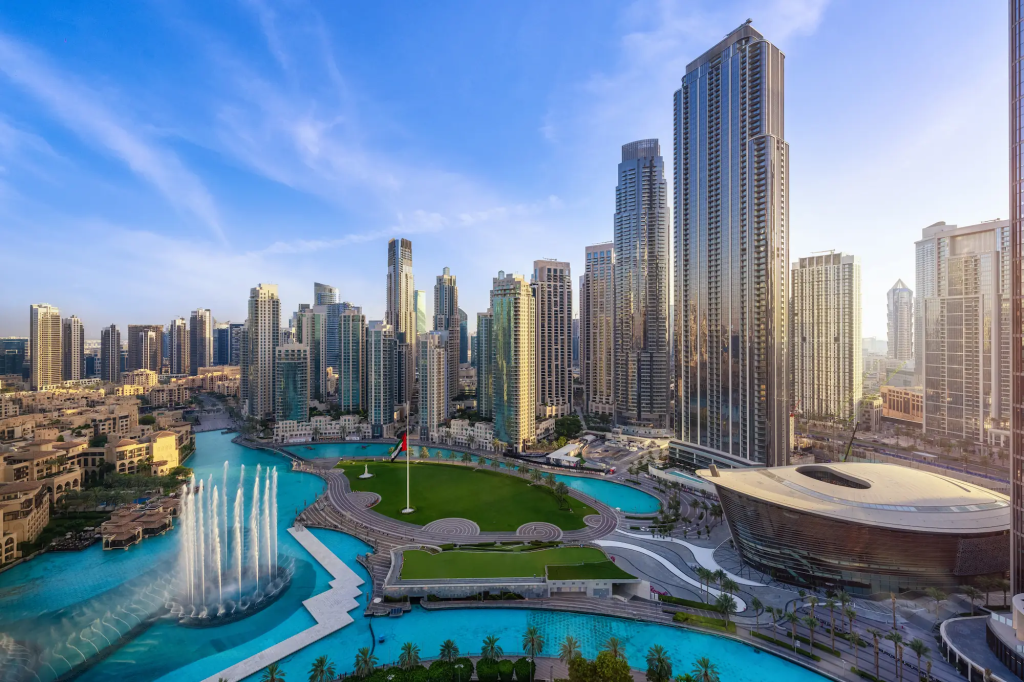
Gen Z is not just influencing Dubai’s short-term rental market—it is redefining it. Longer stays, flexible living, digital engagement, and lifestyle-driven choices are shaping demand in ways that will continue well into 2026 and beyond.
For investors, operators, and developers, success will depend on understanding this generation’s priorities and delivering spaces that feel less like temporary accommodation and more like home—without permanence.
As Dubai continues to attract young global talent, entrepreneurs, and creatives, short-term rentals will remain a cornerstone of the city’s evolving urban lifestyle—powered by a generation that values freedom, experience, and connection above all else.

Leave a Reply