



Dubai’s real estate market has become one of the most attractive in the world, drawing investors, expats, and first-time buyers with its tax-free environment, modern infrastructure, and wide range of properties. Whether you’re dreaming of a luxury villa, a waterfront apartment, or a smart investment property, one of the first questions you’ll ask is: how much cash do you actually need to buy a home in Dubai?
The answer depends on several factors, including the type of property, whether you’re paying cash or using a mortgage, and whether the property is ready or off-plan. This guide breaks down all the key costs, mortgage rules, and payment plans so you can plan your purchase with confidence.
1. Property Prices in Dubai: A Quick Overview
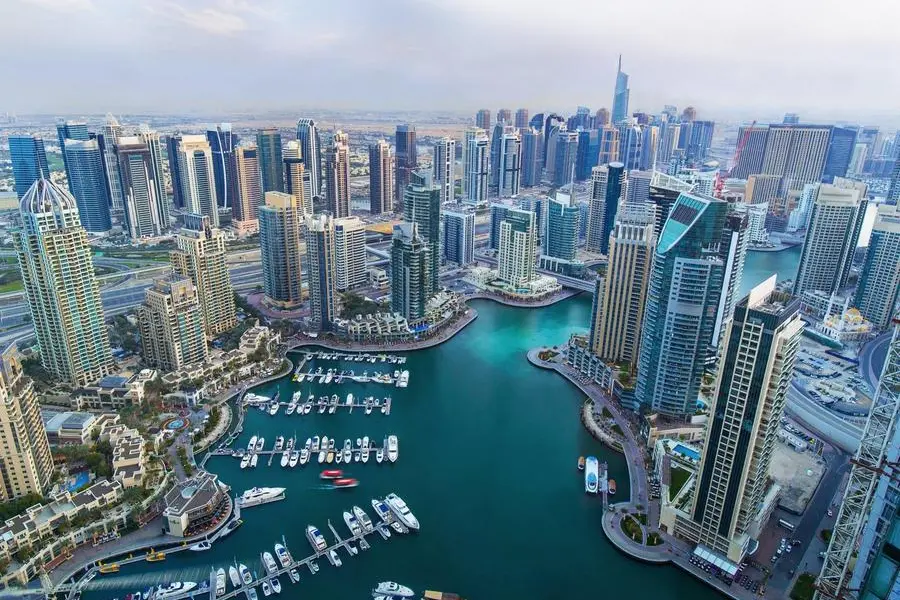
Dubai offers homes at many price points. Entry-level studio apartments in emerging areas can start from relatively modest amounts, while luxury villas in prime locations can reach into the millions.
As a buyer, you should think beyond the headline property price. The total cash required upfront includes government fees, deposits, and other transaction costs that are mandatory regardless of the property’s value.
2. Upfront Cash Costs When Buying Property in Dubai
a. Down Payment
The down payment is the largest upfront cost if you’re using a mortgage.
- UAE residents typically need a minimum of 20% of the property value for homes below a certain price threshold.
- Non-residents usually need 25% or more.
- For higher-value properties, the required down payment increases.
Cash buyers, of course, must pay 100% of the property price, but they avoid mortgage-related costs.
b. Dubai Land Department (DLD) Fee
The DLD fee is a mandatory government charge paid at the time of purchase. It is calculated as a percentage of the property price and is one of the most significant additional costs buyers face.
This fee is usually paid upfront and cannot be financed through a mortgage, meaning it must be available in cash.
c. Registration and Trustee Fees
In addition to the DLD fee, buyers must pay:
- Property registration fees
- Trustee office fees for processing the transfer
These costs are relatively small compared to the property price, but they still need to be budgeted for.
d. Real Estate Agent Commission
Most buyers work with licensed real estate agents. The standard commission is typically a percentage of the property price, plus VAT. This fee is usually paid by the buyer in Dubai and is due at the time of transfer.
e. Mortgage-Related Fees (If Applicable)
If you’re financing your home, additional cash is required for:
- Mortgage arrangement fees
- Property valuation fees
- Bank processing fees
These costs are generally not included in the loan and must be paid upfront.
3. Total Cash Needed: A Realistic Estimate
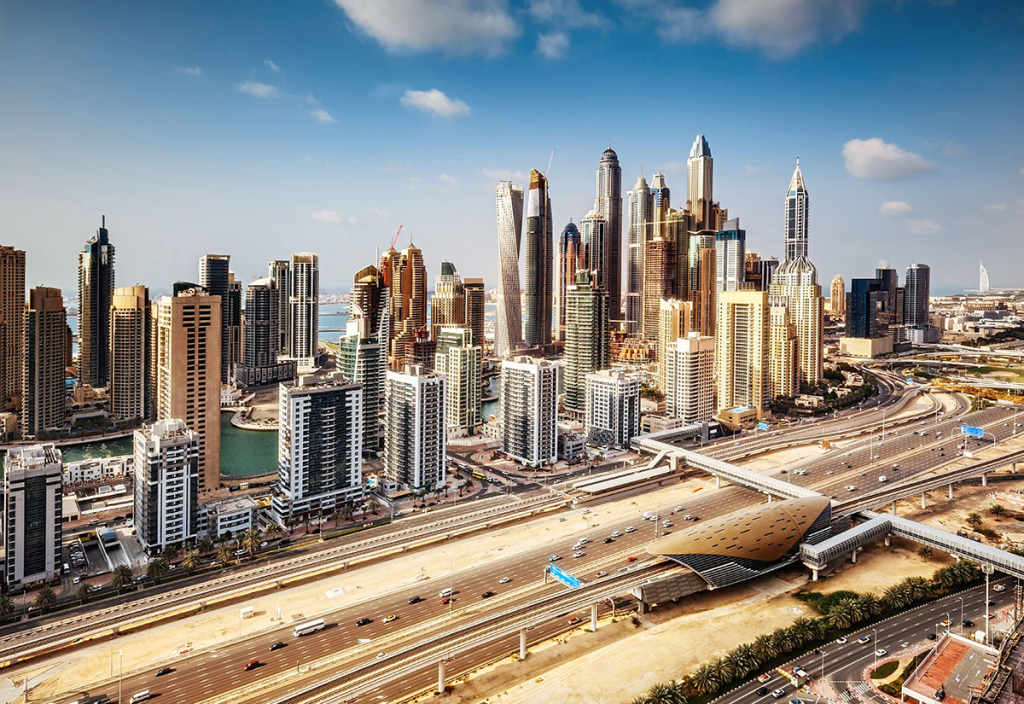
When you add everything together, buyers should typically budget:
- Cash buyers: Property price + approximately 6–8% extra for fees
- Mortgage buyers: Down payment + approximately 7–10% of the property price in additional costs
This means that even if you’re using a mortgage, you still need a substantial amount of cash available before you can complete a purchase.
4. Mortgages in Dubai: What You Need to Know
a. Who Can Get a Mortgage?
Dubai offers mortgages to:
- UAE residents
- Non-residents (with stricter requirements)
- Salaried and self-employed buyers
Banks assess income, credit history, age, and existing liabilities before approving a loan.
b. Loan-to-Value (LTV) Limits
Loan-to-Value ratios determine how much the bank will lend relative to the property price. The remaining percentage must be paid in cash. LTV limits are regulated and vary depending on:
- Residency status
- Property value
- First-time or multiple property ownership
c. Interest Rates and Loan Terms
Mortgages in Dubai are typically offered with:
- Fixed rates for an initial period
- Variable rates afterward
- Loan tenures of up to 25 years
Your monthly repayment amount will depend on the loan size, interest rate, and term length.
5. Off-Plan Properties and Developer Payment Plans
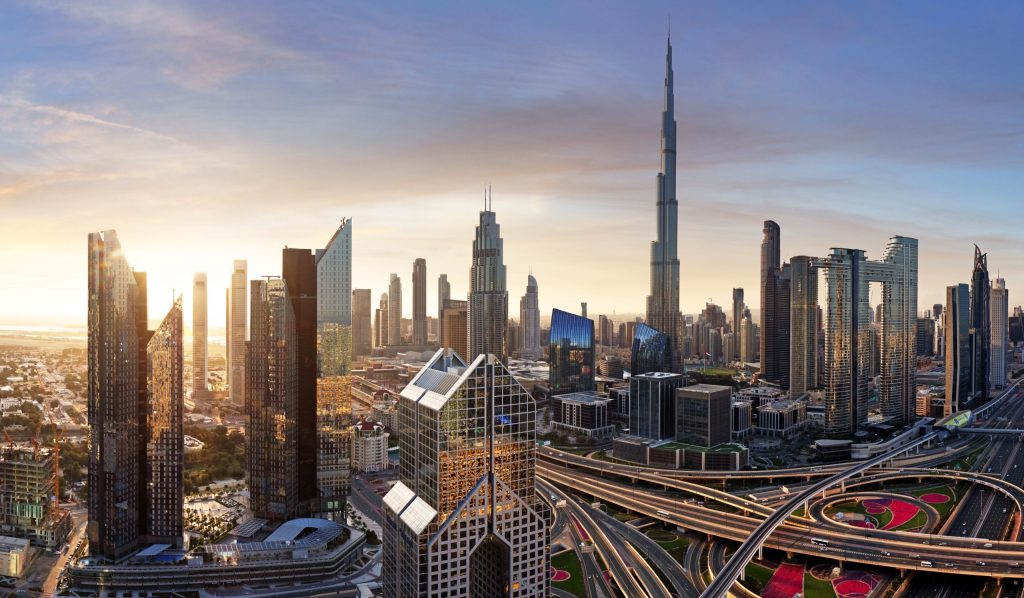
One of Dubai’s most attractive features is its off-plan property market, where buyers purchase homes that are still under construction.
a. How Off-Plan Payment Plans Work
Instead of paying the full amount upfront, buyers pay in stages, such as:
- A small booking fee to reserve the unit
- Installments during construction
- A final payment upon handover
This structure significantly reduces the immediate cash required.
b. Post-Handover Payment Plans
Some developers offer post-handover payment plans, allowing buyers to continue paying installments even after moving in or renting out the property. These plans can extend over several years and are especially attractive to investors and first-time buyers.
c. Cash Requirements for Off-Plan Homes
While off-plan homes require less cash initially, buyers should still budget for:
- DLD fees (sometimes split into installments by developers)
- Registration fees
- Future installment commitments
Off-plan properties are best suited for buyers with stable cash flow and a long-term outlook.
6. Ongoing Costs After Buying a Home
Buying the property is only part of the financial picture. Owners should also consider:
- Annual service charges (especially for apartments)
- Maintenance and repairs
- Utility deposits and connection fees
- Home insurance
While Dubai has no annual property tax, these recurring costs should be factored into your budget.
7. Is Buying a Home in Dubai Worth the Cash?
Dubai stands out globally for its:
- No property tax
- No capital gains tax (in most cases)
- Strong rental yields
- Wide choice of financing and payment options
For many buyers, the upfront cash requirement is balanced by long-term financial benefits, lifestyle advantages, and investment potential.
Final Thoughts
So, how much cash do you need to buy a Dubai home? The short answer is more than just the property price. Whether you’re paying cash, using a mortgage, or opting for an off-plan payment plan, understanding the full cost structure is essential.
By planning ahead, budgeting for all fees, and choosing the right financing option, buying a home in Dubai can be a smooth and rewarding experience. With the right strategy, owning property in one of the world’s most dynamic cities is well within reach.

Leave a Reply