
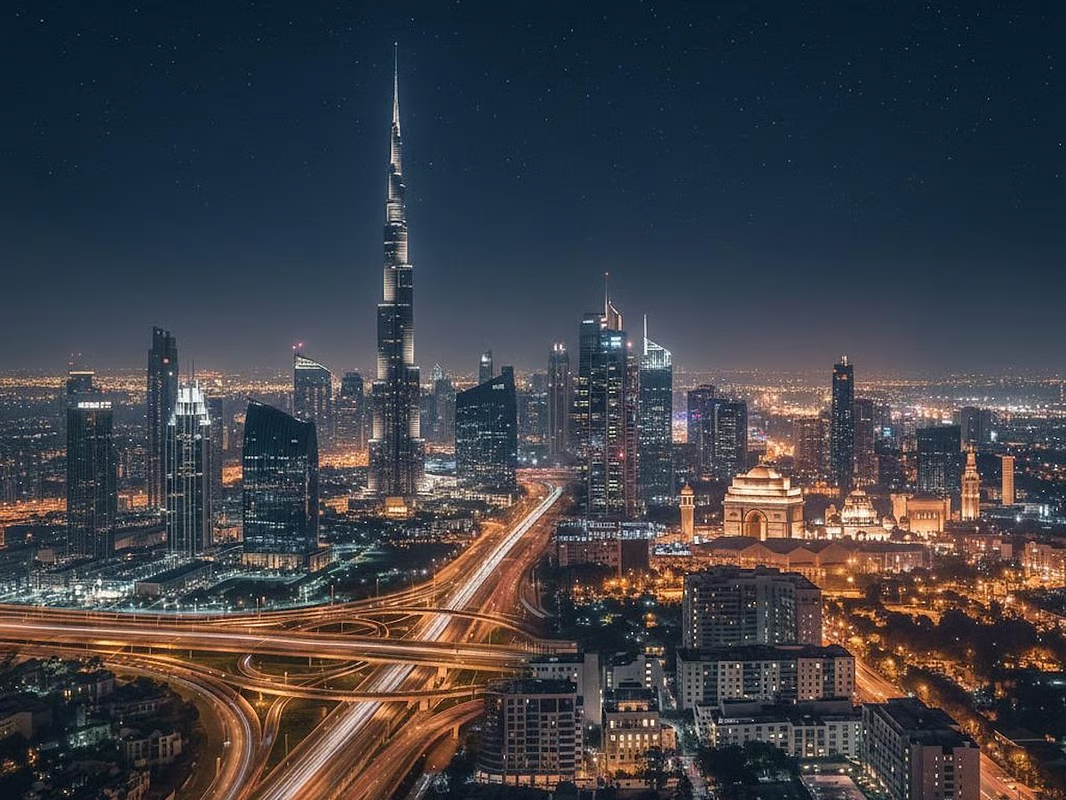

In recent years, Dubai’s real estate market has undergone a fundamental shift. Once known primarily for its spectacle, towering skylines, and luxury finishes, the city’s property landscape is now being redefined by a deeper, more holistic driver: wellness-focused living. In 2026, wellness has moved beyond a buzzword to become a central pillar shaping where and how people choose to live, work, and invest in Dubai’s property market.
From Luxury to Lifestyle: The Evolution of Buyer Expectations
Traditionally, buyers in Dubai have prioritized prestige, views, and returns. However, this focus has started to shift. Increasingly, homebuyers — whether expatriate families, local residents, or international investors — are placing equal importance on quality of life, health, and community connection. These preferences are reshaping demand and redefining value in the market.
Data from the Dubai Land Department showed a significant upswing in investor and buyer interest in 2025, with wellness-oriented neighbourhoods performing strongly, especially in the higher end of the market. Green spaces, community connectivity, and low-density, wellness-centric master plans are becoming crucial differentiators for long-term value.
Wellness as a Market Driver
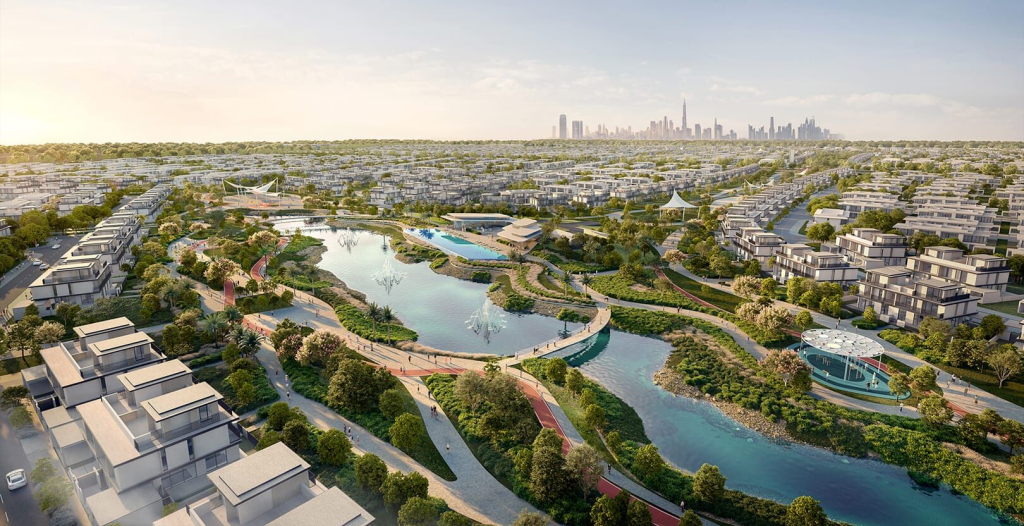
The wellness real estate sector in the UAE is experiencing remarkable growth. Studies by market analysts project that Dubai and the wider UAE will see an exponential increase in wellness property developments over the next few years — with some segments expected to grow nearly seven-fold by 2027.
What’s driving this momentum?
- Post-pandemic awareness of health — A heightened global emphasis on health, longevity, and holistic well-being continues to influence lifestyle choices, pushing developers to integrate health-positive features directly into property design.
- Investor demand for lifestyle-led value — Today’s investors recognize that wellness-centric properties command price and rental premiums, as well as stronger investor confidence.
- Global wellness trends — Dubai is not alone — the global wellness real estate market is expanding rapidly, with cities worldwide catering to health-oriented buyers. But Dubai’s innovation and pace have positioned it as a leader in this movement.
What Makes a Property “Wellness”-Centric?
Wellness real estate isn’t limited to a gym and pool anymore — it encompasses a multi-dimensional suite of physical, emotional, and environmental health features designed to improve residents’ quality of life.
Here are some of the most sought-after wellness elements now shaping Dubai’s developments:
1. Biophilic and Green Design
Developers are incorporating landscaped parks, tree-lined boulevards, walking and cycling trails, and open green spaces as core parts of community planning rather than afterthoughts. Biophilic design — which brings nature into urban living — is proven to reduce stress and enhance mental well-being.
2. Clean Air and Water Systems
Advanced air and water purification systems, HEPA filtration, and smart environmental controls are increasingly standard features. Properties are now often marketed on “wellness per square foot” — a concept that values health benefits as much as spaciousness or aesthetic finishes.
3. Mind-Body Wellness Facilities
Beyond gyms, we’re seeing dedicated meditation gardens, yoga and pilates spaces, heat and cold therapy zones, salt caves, hydrotherapy pools, and therapeutic lounges. These facilities go beyond fitness to support holistic lifestyle routines right where residents live.
4. Social and Community Wellness
Well-being isn’t just individual — it’s social. Developers are creating communal meditation decks, outdoor amphitheaters, co-working lounges, and group fitness areas to foster a sense of belonging, social connection, and mental wellness.
5. Smart Health Technology
Smart systems that manage lighting, climate, and air quality — often via AI or app control — help optimize indoor environments for sleep, mental focus, and overall comfort. These systems are now part of what buyers expect from a wellness property.
Wellness Communities That Are Leading the Way
Across Dubai, certain communities have emerged as leaders in wellness-driven real estate:
- Dubai Hills Estate — A master-planned, park-centric community with jogging tracks, golf views, and extensive outdoor amenities, appealing to families seeking active, health-oriented lifestyles.
- Mohammed Bin Rashid City — Balancing urban convenience with green living and pedestrian-friendly spaces, it is rising as one of the most desirable wellness-oriented districts.
- Al Barari — Known as Dubai’s green heart, with lush landscapes, organic cafés, and wellness spaces integrated into the community fabric.
- Palm Jumeirah — While synonymous with luxury, it is increasingly valued for waterfront promenades, outdoor living, and lifestyle appeal.
These communities exemplify how wellness features are no longer niche add-ons — they are central to the planning, pricing, and long-term appeal of modern developments.
Investment Impacts: Premiums and Returns
Integrating wellness into design is paying off. Properties with wellness attributes are commanding price premiums and higher rental yields compared to standard developments. International surveys suggest buyers are willing to pay significantly more — sometimes 10–25% premium — for homes that support holistic living.
This shift isn’t just attracting end-users — investors recognize that wellness properties often enjoy lower vacancy rates, stronger tenant retention, and resilience in market volatility. As Dubai’s market becomes more sophisticated, wellness positioning is increasingly a differentiator in marketing and valuation.
Beyond Residences: The Wellness Ecosystem
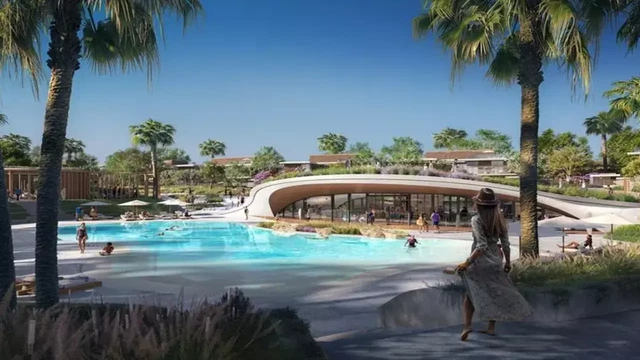
The wellness impact extends beyond private homes. Branded residences are incorporating longevity clinics, sensory-focused design, therapy spaces, and wellness concierge services as core elements of their offerings. Dubai’s embrace of this trend places it among global cities where wellness has become not merely an amenity but a lifestyle ecosystem.
What’s more, mixed-use developments are including wellness elements in office, retail, and hospitality spaces. Residents and visitors alike can benefit from environments that nurture health through design and services — from workplace wellness lounges to hotel spa experiences and curated outdoor spaces.
Looking Ahead: Wellness as a Standard
As Dubai continues to evolve, wellness is poised to become standard rather than exceptional across its real estate offerings. Developers are increasingly embedding health-centric design and technologies into every aspect of planning and construction, reflecting a broader shift toward sustainable, balanced, and human-centric living environments.
With ongoing innovation and investor interest, the wellness real estate sector in Dubai isn’t just reshaping how homes are built — it’s redefining what “quality of life” means in one of the world’s most dynamic property markets.

Leave a Reply