

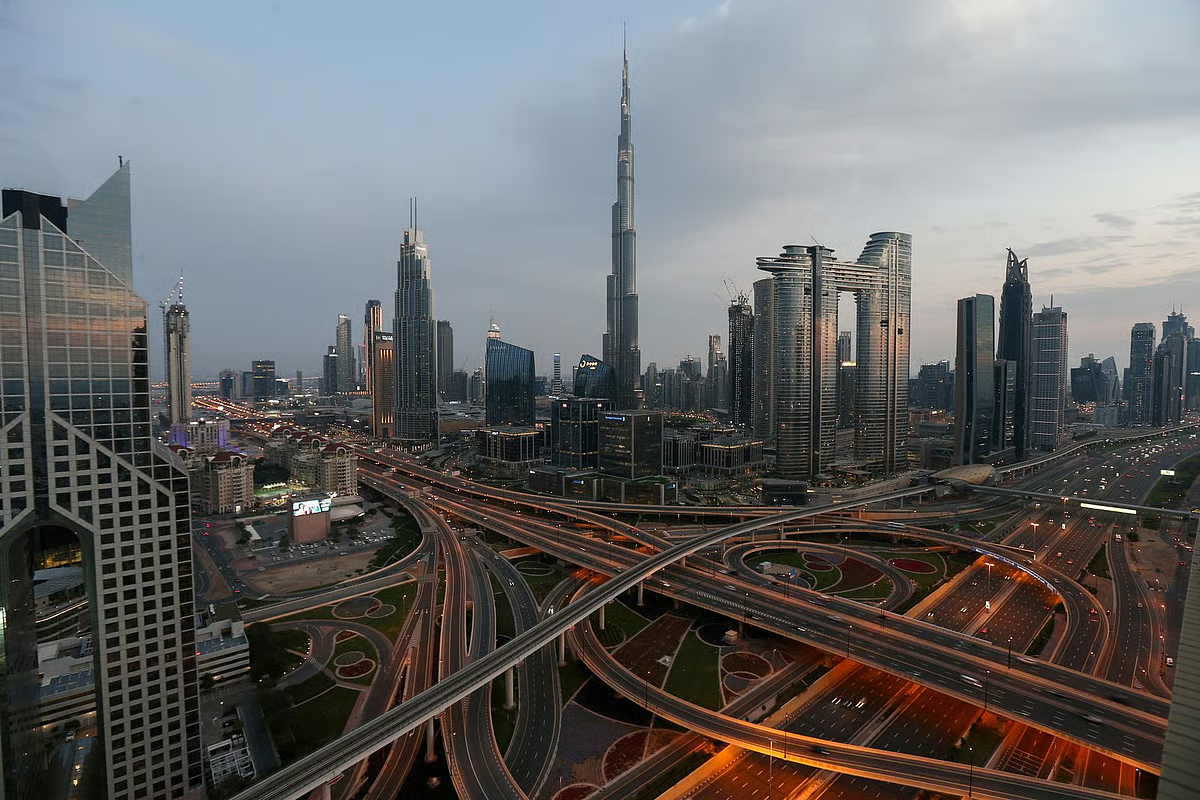

The UAE property market has experienced several years of strong expansion, driven by investor demand, population growth, and economic diversification. As the pace of growth begins to normalize, recent ratings analysis indicates that the country’s banking sector remains well positioned to manage a softer real estate cycle.
For property investors and homeowners, this is a key signal of confidence. A resilient banking system supports mortgage availability, liquidity, and long-term market stability across Dubai, Abu Dhabi, and other emirates.
Controlled Exposure to Real Estate
One of the main reasons behind the strength of UAE banks is prudent regulation. The Central Bank of the UAE has implemented clear exposure limits to construction and real estate lending. These safeguards ensure that banks do not become overly concentrated in one sector, even during periods of rapid market growth.
Currently, banks’ aggregate exposure to real estate remains comfortably below the regulatory cap. This means lenders still have room to finance viable projects while maintaining risk discipline.
For investors, this translates into:
- Continued access to mortgage products
- Stable lending conditions
- Reduced systemic risk in the financial sector
Shift in Lending Trends
Over the past few years, real estate and construction lending declined as interest rates rose and companies accelerated repayments. However, as rates began easing, lending activity started to recover gradually.
At the same time, personal lending has increased, including mortgages. Mortgage volumes have now surpassed pre-pandemic levels, reflecting continued end-user demand and confidence in the UAE property market.
Another notable trend is the high share of cash transactions. Many property purchases, particularly in prime Dubai locations, are completed without heavy reliance on bank financing. This reduces pressure on lenders even if market conditions cool.
Strong Capital and Liquidity Buffers
UAE banks have significantly strengthened their capital and liquidity positions since the global financial crisis. Key indicators show:
- Healthy liquidity levels across the sector
- Low non-performing loan ratios
- Strong provisioning coverage
These buffers provide additional protection if property prices experience short-term corrections. Even if margins tighten due to lower interest rates, overall profitability is expected to remain stable.
For real estate investors, this means the financial system underpinning the market remains robust.
What This Means for UAE Property Investors
While the property market may shift from rapid growth to a more balanced phase, the broader financial ecosystem remains solid. Regulatory discipline, diversified funding channels, and strong bank fundamentals reduce the risk of systemic instability.
In practical terms:
- Mortgage financing remains accessible
- Developers continue to secure alternative funding
- The market is less leveraged than in previous cycles
For long-term investors, these conditions support sustainable growth rather than speculative overheating.
Conclusion
The UAE real estate sector is entering a more mature phase after several years of expansion. However, strong banking fundamentals, regulatory safeguards, and improving asset quality indicate that the system is built to withstand moderation.
For buyers, investors, and landlords, this reinforces confidence in the UAE as a stable and strategically managed property market.

Leave a Reply