
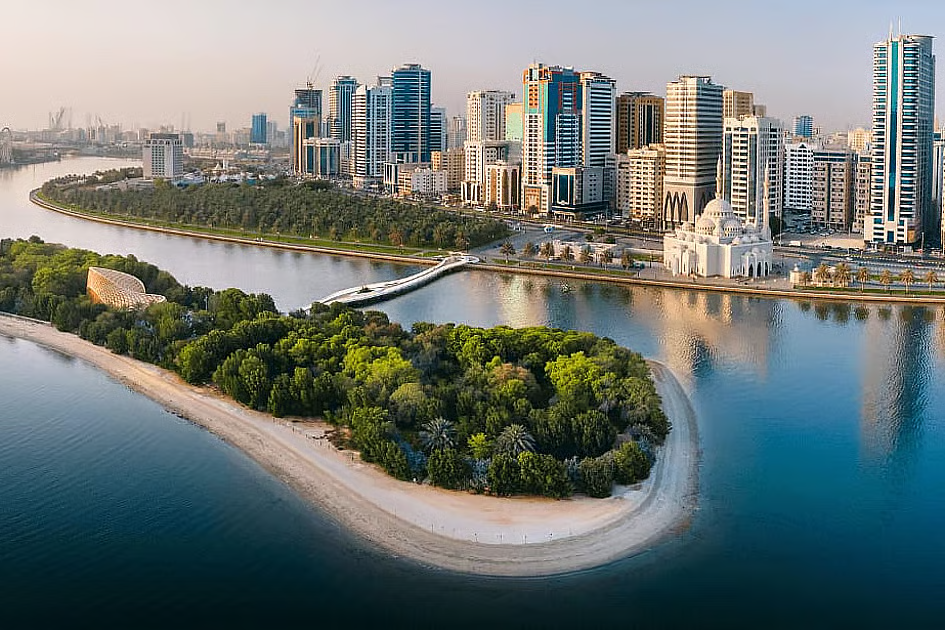

Sharjah’s real estate market is capturing growing attention across the UAE and beyond, as property prices continue climbing and show no signs of having reached their peak. Industry experts, including officials from the Sharjah Real Estate Registration Department, believe the emirate is in a sustained growth phase — with projections suggesting property values could rise by over 10 % in 2026.
While Sharjah historically trailed its glitzy neighbor Dubai in terms of property market activity, recent performance shows an emirate on the rise — fueled by affordability, strategic policy shifts, strong transaction growth, and rising demand from both locals and expatriates.
A Shifting Narrative: From Hidden Gem to Growth Star
Sharjah’s real estate sector has been steadily shedding its reputation as a secondary market. In 2025, the emirate recorded a record trading value of AED 65.6 billion (about $17.9 billion), a jump of more than 64 % compared with 2024. Total real estate transactions rose to 132,659 deals, up around 26 % year-on-year, driven by both investor and end-user participation.
This surge points to stronger fundamentals: stable regulatory frameworks, an expanding project pipeline, and growing confidence among property buyers. Rather than speculative spikes, much of this growth appears backed by genuine demand — from families, long-term renters, and foreign investors alike.
Why Prices Haven’t Peaked Yet
At a major real estate event in early 2026, Lamia Al Jewaied, head of the research bureau at the Sharjah Real Estate Registration Department, highlighted that property prices in Sharjah “have not reached peak levels”. She pointed to several core drivers that are likely to sustain growth in 2026 and beyond:
- Policy changes allowing all nationalities to purchase property, expanding the buyer base.
- Population inflows and expatriate demand, as affordability attracts families priced out of other emirates.
- Rising tourism and infrastructure investments, boosting the demand for residential and short-stay accommodations.
Combined, these factors paint a picture of a market still gaining traction — not one that has exhausted its growth potential.
Affordability: Sharjah’s Strategic Advantage
One of Sharjah’s biggest strengths is its relative affordability compared to Dubai and Abu Dhabi. As of early 2026, median residential prices in Sharjah hover around AED 10,000 per square meter, with variations depending on location and property type. Waterfront and newer master-planned communities command higher values, but overall prices remain accessible relative to the larger emirates.
This price differential is more than a statistic — it’s the basis for real demand. With many buyers priced out of Dubai’s soaring price levels, Sharjah becomes an attractive alternative for end-users and investors seeking lower entry costs but still part of the dynamic UAE market.
Affordability also translates into competitive rental yields, which in some districts reach higher levels than in Dubai — making Sharjah appealing not just for sale transactions but for rental-yield-driven investment strategies.
Demand Tailwinds: End-Users and Investors Together
Sharjah’s real estate boom is not solely an investor-led phenomenon. A significant chunk of demand stems from end-users — families and individuals seeking homes with long-term residency and community benefits.
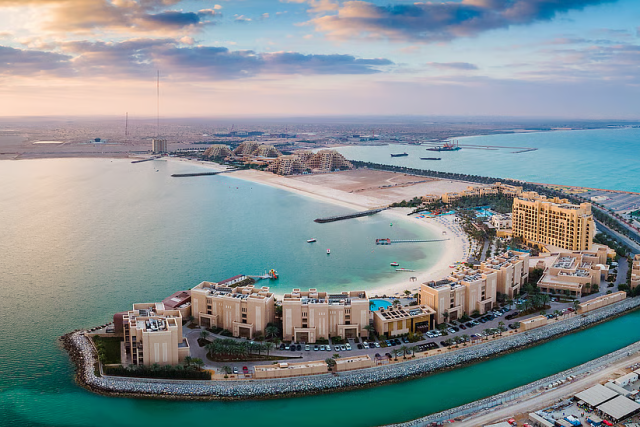
High-growth areas like Al Majaz, Al Khan, Muwaileh Commercial, Maryam Island, and Tilal City are attracting interest for their combination of lifestyle amenities, connectivity, and value. In some of these locations, transaction growth and price momentum remain strong even as broader market indicators normalize.
On the investment side, flexible foreign ownership rules and relative affordability are pulling in buyers from across the globe. Foreign transaction counts have surged in recent years, reflecting Sharjah’s evolving appeal as an international investment destination.
Together, this mix of end-users and investors creates a more balanced real estate ecosystem — one less reliant on short-term speculation and more focused on sustainable long-term demand.
Outlook for 2026: Growth, but Sustainable
Most industry insiders anticipate that Sharjah’s property prices will continue rising in 2026. The commonly cited forecast — over 10 % price growth — reflects confidence in demand drivers that remain intact.
Contrary to markets where rapid appreciation has led to overheating and subsequent corrections, Sharjah’s growth looks measured and supported by fundamentals:
- Population growth — as Sharjah attracts more residents graduating from renting to buying.
- Policy support — through foreign ownership and development incentives.
- Infrastructure development — including transport, sustainability projects, and tourism facilities.
Analysts suggest this environment could maintain steady price growth well beyond 2026, though the yearly rate may fluctuate depending on supply, macroeconomic conditions, and broader UAE property trends. Some forecasts from independent market research suggest more moderate annual increases overall, but Sharjah’s specific dynamics — especially for apartments and townhouses — could outperform those averages.
Risks and Considerations
No real estate market is without challenges. A slowdown in construction completions, interest rate shifts, and broader economic cycles can influence market performance. Additionally, areas with higher supply may see price growth tempered relative to premium master-planned communities.
For buyers and investors, performing due diligence on specific neighbourhoods, property types, and long-term rental prospects remains crucial. Market entry timing, financing conditions, and personal investment goals should all factor into well-informed decisions.
What This Means for Buyers and Investors
For prospective homeowners, Sharjah offers entry-level options with growth potential, particularly in communities that blend quality of life with access to job hubs across the UAE. For investors, stable demand and relatively high yields signal compelling ROI opportunities — especially in areas catering to families or commuters.
Key segments worth watching include:
- Apartments in high-demand commuter hubs (e.g., Al Majaz, Al Khan).
- Townhouses and villas in master-planned communities (e.g., Tilal City, Aljada).
- Waterfront or lifestyle-oriented properties, where scarcity supports premium pricing.
Conclusion: A Market Still on the Rise
Sharjah’s real estate sector is rewriting perceptions. From affordability advantages to robust demand and investor confidence, the emirate has positioned itself as a dynamic and growing property hub in the UAE. With prices that haven’t peaked and expectations of double-digit growth in 2026, Sharjah offers both opportunity and strategic value to buyers and investors navigating the Gulf real estate landscape.
Whether you’re considering your first property purchase, expanding an investment portfolio, or exploring rental income markets, Sharjah’s evolving real estate story deserves attention — not just for its past performance, but for its future potential.

Leave a Reply