
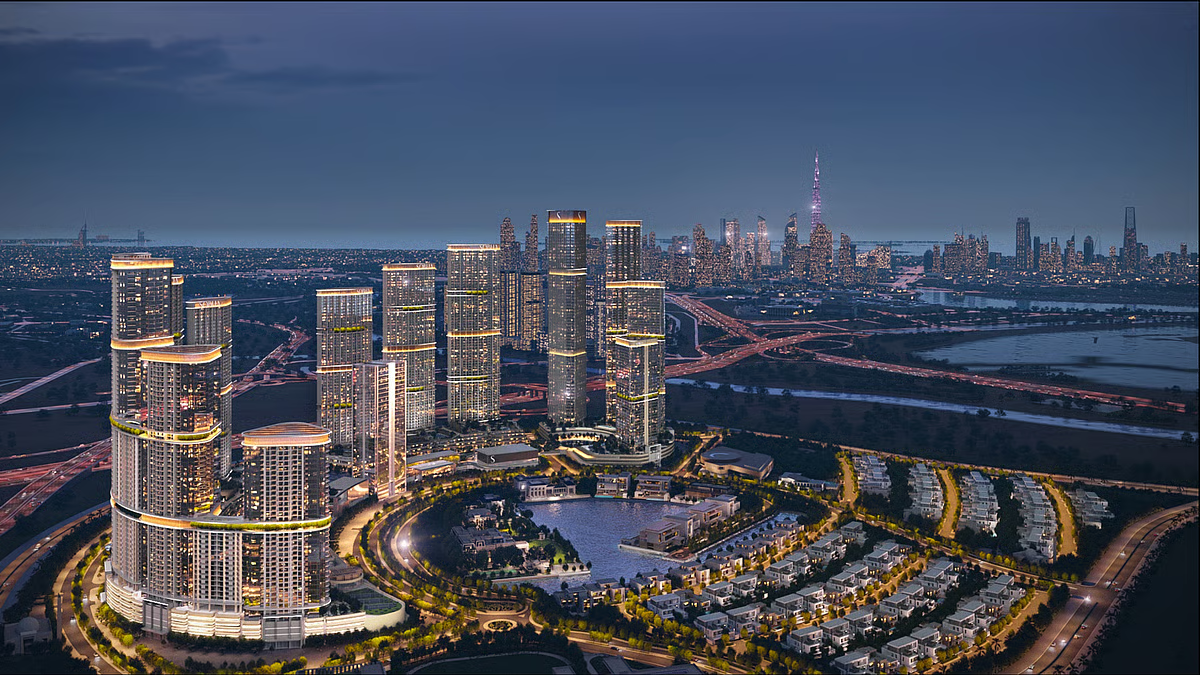

In a groundbreaking move that reflects the growing convergence between sustainability and Islamic finance, Sobha Realty has announced the successful issuance of a $750 million green sukuk, marking a significant milestone not only for the company but for the entire real estate sector in the Middle East. The issuance sets a new benchmark in size, structure, and sustainability impact, positioning Sobha as a visionary leader in ESG-compliant real estate development.
This sukuk—an Islamic finance instrument akin to a bond—has captured the attention of global investors, regional regulators, and industry observers alike. As the green finance movement accelerates across the Gulf Cooperation Council (GCC), Sobha’s landmark deal could very well redefine the future of sustainable investment in real estate.
A Landmark Deal with Global Resonance
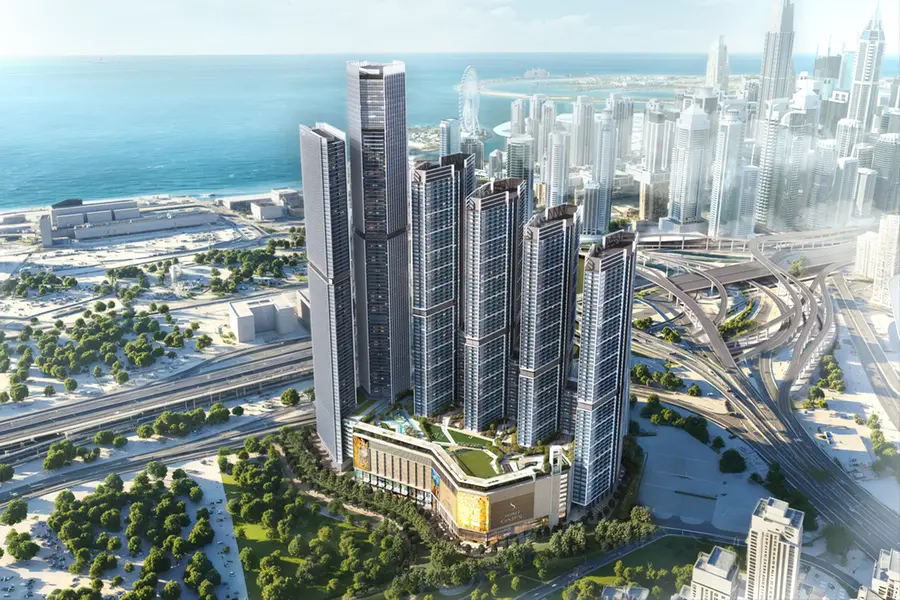
Sobha Realty’s $750 million green sukuk is not just another addition to its growing portfolio of Islamic financial instruments—it is the largest-ever green sukuk issued by a private real estate developer in the GCC. Oversubscribed within hours of opening the books, the sukuk saw strong demand from both regional and international investors, including sovereign wealth funds, ESG-focused investment houses, and Sharia-compliant institutions.
According to sources close to the deal, over 60% of the subscription came from international markets, reflecting global appetite for sustainable Islamic finance products. With an annual yield of 7.85% and a maturity of seven years, the sukuk was structured using a hybrid Wakala-Ijara model, fully compliant with AAOIFI standards.
What Makes It “Green”?
What differentiates this sukuk from traditional Islamic debt instruments is its adherence to green finance principles. Sobha Realty has committed to allocating 100% of the proceeds toward eligible green projects, as outlined in its newly published Green Finance Framework, which has been independently reviewed and certified by a leading Second Party Opinion (SPO) provider.
According to the framework, the funds raised will be invested in:
- LEED- and WELL-certified buildings
- Energy-efficient HVAC and lighting systems
- Solar energy integration and water recycling systems
- Low-carbon construction materials and processes
- Smart building technologies to reduce energy consumption
Sobha has committed to full post-issuance reporting, with annual impact reports measuring key performance indicators such as CO₂ emissions avoided, energy savings, and water conservation. This aligns the sukuk with the Green Bond Principles (GBP) and ICMA guidelines, making it investable for ESG-focused funds worldwide.
Aligning with UAE’s Green Economy Vision

The issuance comes at a pivotal time for the UAE, which has declared 2025 as the “Year of Sustainability”, following the momentum from COP28 held in Dubai. Sobha’s green sukuk supports the UAE’s Net Zero by 2050 Strategic Initiative, contributing to nationwide goals of decarbonizing infrastructure and promoting clean energy.
In fact, the UAE Minister of Climate Change and Environment praised the issuance as “a significant private sector initiative aligned with national sustainability priorities.” By mobilizing private capital for green development, Sobha has demonstrated that profitability and planet-positive impact can indeed go hand-in-hand.
A Regional First for the Real Estate Sector
While sovereign entities like Indonesia, Saudi Arabia’s Public Investment Fund (PIF), and Abu Dhabi’s Masdar have issued green sukuks in the past, Sobha’s deal is notable for being the first of its size and complexity from a purely real estate developer. This is especially significant in the context of the Middle East, where construction and real estate are among the largest contributors to carbon emissions.
With this issuance, Sobha becomes a trailblazer—showing that the real estate industry can evolve into a sustainability-driven sector, rather than lagging behind others like energy or transport. The green sukuk could also incentivize peers like Emaar, Aldar, and Damac to pursue similar financing strategies in the near future.
Market Reception and Investor Sentiment
Investor response has been overwhelmingly positive. The sukuk was oversubscribed more than 2.5 times, with the final order book exceeding $1.9 billion. Major financial institutions from Europe, Asia, and the Middle East participated in the offering, validating the thesis that sustainable Islamic finance is no longer a niche market.
Analysts at Standard & Poor’s called it a “watershed moment” for Islamic capital markets. Moody’s, meanwhile, gave the sukuk a Ba1 green bond rating, citing strong ESG credentials and a robust use-of-proceeds framework.
Interestingly, a significant portion of the demand came from ESG-linked Sukuk Funds, a relatively new asset class that’s gaining traction globally. This shows that sustainability, when aligned with cultural and religious financial systems, can unlock new pools of capital.
The Road Ahead: Challenges and Opportunities
While the sukuk’s success is being rightly celebrated, it also places Sobha Realty under scrutiny to deliver on its green commitments. Stakeholders will be watching closely to ensure that the proceeds are deployed as promised and that environmental impact reporting is transparent and credible.
Additionally, this issuance opens up questions around greenwashing, a concern that is increasingly being raised in both conventional and Islamic green finance. Sobha’s credibility will depend on rigorous compliance with its Green Finance Framework and third-party audits.
If executed with integrity, this sukuk could act as a template for future green Islamic finance instruments—not just in real estate but across sectors like transport, logistics, and industrial manufacturing.
Conclusion: A New Era of Green Islamic Finance

Sobha Realty’s $750 million green sukuk is more than just a funding instrument—it’s a symbol of transformation. In issuing the largest green sukuk by a private real estate developer in the GCC, Sobha has demonstrated how financial innovation, environmental responsibility, and Sharia compliance can intersect to create real, measurable impact.
As the Middle East looks to balance rapid economic growth with urgent climate action, instruments like these will play a vital role. They bring credibility to ESG efforts, attract global investors, and ultimately support a more sustainable future.
Sobha’s bold move has raised the bar for what’s possible—not just in terms of capital raising, but in showing how the Islamic finance world can lead the global conversation on sustainability.

Leave a Reply