

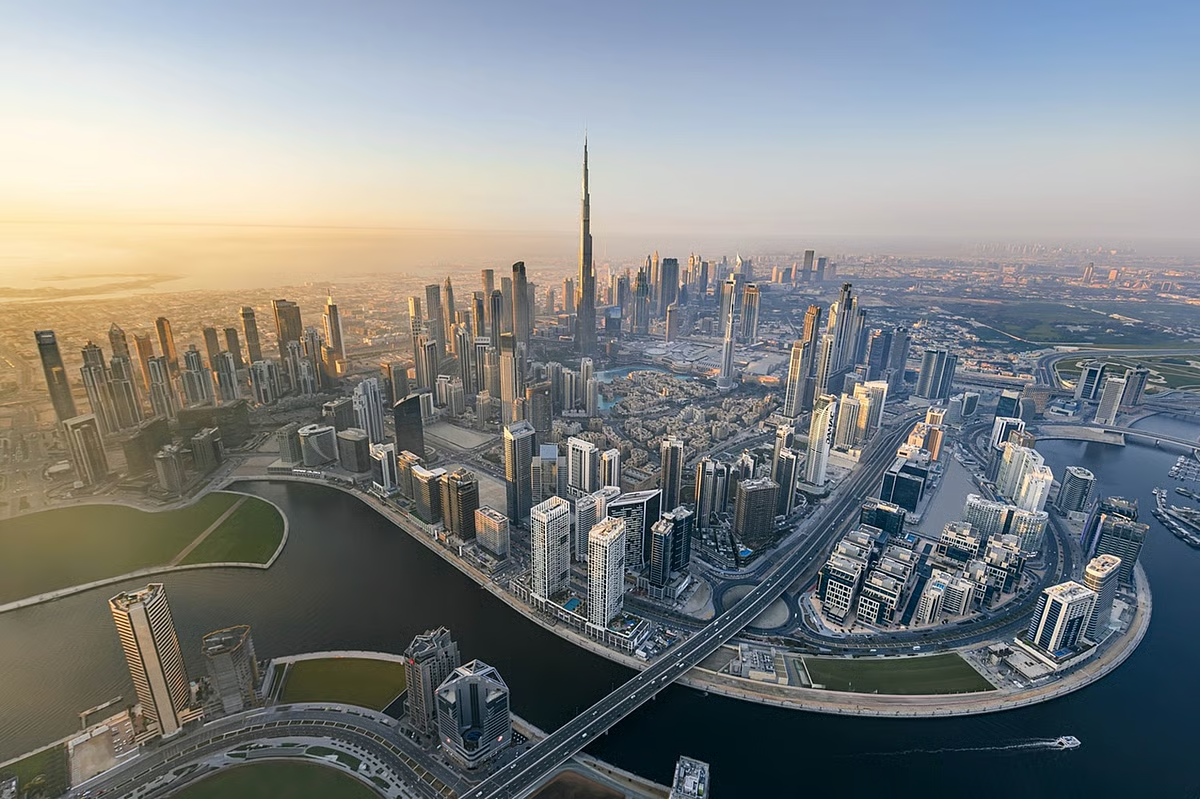

For more than a decade, the UAE—especially Dubai and Abu Dhabi—has remained one of the world’s most attractive real-estate markets. A combination of political stability, high rental yields, world-class infrastructure, and an investor-friendly environment continues to draw both regional and international buyers. Even during moments of global uncertainty, UAE property often proves surprisingly resilient.
But strong markets have a way of creating overconfidence.
When demand is high and prices seem to move only in one direction, buyers—particularly first-timers—tend to overlook risks that could significantly affect the long-term viability of their investment. Many of these risks are not obvious during the buying stage but emerge years later, when repairing them becomes far more difficult and costly.
Below are the key hidden risks UAE property buyers still overlook, even in today’s strong market, and why staying informed remains essential for protecting your capital.
1. Overreliance on Off-Plan Promises
Off-plan properties (projects sold before construction completes) offer attractive entry prices, flexible payment plans, and strong capital appreciation. However, many buyers underestimate the risks tied to developer reliability, project delays, or, worse, cancellations.
Why it’s risky
- The developer’s reputation is not always a guarantee. Even well-known developers can face delays due to supply shortages, market shifts, or regulatory changes.
- Payment plans can create a false sense of affordability. Buyers often commit without fully calculating post-handover costs.
- The final product may differ from what was marketed. Changes in layout, finishing quality, or facilities happen more often than buyers expect.
How to mitigate
- Check the developer’s past delivery record—not just their branding.
- Verify project status on official portals like DLD’s Oqood or ADREC systems.
- Ensure the escrow account is active and regulated.
- Evaluate worst-case scenarios before signing long commitments.
2. Service Charges That Quietly Erode Profit
Many buyers budget only for mortgage payments and forget service and maintenance charges, which can range widely based on location and amenities. High-end towers with pools, gyms, concierge services, and landscaped areas come with corresponding annual charges.
Why it’s risky
- Service charges can significantly impact rental yields.
- Charges may rise as buildings age and require more maintenance.
- Some communities have variable billing structures that are not clearly explained during sales.
How to mitigate
- Review the building’s historical service charge trends.
- Understand the difference between standard and premium communities.
- Speak to current owners or tenants before finalizing a purchase.
Hidden costs may not break the investment, but they can easily turn a profitable property into a marginal one.
3. Poor Understandings of Rental Market Cycles
Even in Dubai—home to one of the world’s fastest-moving rental markets—rental demand can soften. Vacancy spikes occur during global downturns, policy changes, or sudden supply increases from new mega-project deliveries.
Why it’s risky
- Many investors assume continuous high rental returns.
- Market corrections can reduce rental income overnight.
- Landlords are bound by rental laws that may prevent immediate rate increases or flexible tenant eviction.
How to mitigate
- Study long-term rental data, not just peak-market numbers.
- Understand RERA rental caps and landlord-tenant regulations.
- Diversify across property types (e.g., villa vs. apartment; luxury vs. mid-market).
Strong markets attract buyers, but understanding the downside ensures they remain strong investments.
4. Legal Oversights in Freehold vs. Leasehold Zones
Not all property in the UAE is equal in terms of ownership rights. Many buyers—especially international ones—do not fully understand the difference between freehold, leasehold, and usufruct properties.
Why it’s risky
- In some zones, foreign buyers own only the right to use the property, not the land.
- Leasehold terms typically range from 30 to 99 years and depreciate over time.
- Selling a leasehold property may take longer and produce lower resale value.
How to mitigate
- Verify ownership type through official land department channels.
- Consider the long-term resale impact before entering leasehold agreements.
- Consult real estate lawyers, not just agents.
A property might look like a great deal until you realize the ownership rights limit your flexibility.
5. Lack of Exit Strategy Planning
In booming markets, investors often buy without a clear vision of how or when they will exit. This oversight becomes a major issue if the market slows—or when personal circumstances change.
Why it’s risky
- Selling in a down market can lead to losses.
- Mortgage prepayment penalties may apply.
- Some property types, such as ultra-luxury units, take longer to sell even in strong economies.
How to mitigate
- Plan your investment horizon before buying.
- Choose communities with strong historical resale activity.
- Factor in transaction fees: agent commissions, land department fees, and mortgage settlement costs.
A good investment is not only about how you enter—it’s about how easily you can exit.
6. Overlooking the Long-Term Impact of Community Development Plans
New roads, malls, schools, metro lines, and community expansions can dramatically change property values. Yet many buyers examine the property only as it exists today, not how the surrounding area may evolve.
Why it’s risky
- Future construction can block views, increase traffic, or diminish privacy.
- On the flip side, buyers may miss great opportunities because they don’t recognize planned infrastructure growth.
- Official masterplans are not always updated publicly.
How to mitigate
- Ask agents for master plans—but also cross-check with government planning authorities.
- Study nearby land plots; empty land almost always means future development.
- Consider the long-term trajectory of the community based on past trends.
Real estate rewards those who can predict what a neighborhood will look like five or ten years from now.
7. Underestimating Financial Buffers for Unexpected Events
Many buyers enter the market fully stretched—maxing out their borrowing power and relying on rent to cover mortgage payments.
Why it’s risky
- Vacancy periods, maintenance emergencies, or tenant disputes can reduce cash flow.
- New taxes or regulatory changes might affect long-term investments.
- Job loss or currency fluctuations can create financial strain for expatriates.
How to mitigate
- Maintain a 3–6 month reserve covering mortgage and service charges.
- Prepare for worst-case scenarios rather than best-case ones.
- Avoid over-leveraging simply because the market seems unstoppable.
The strongest property portfolios are built on conservative financial planning—not optimism alone.
Final Thoughts: A Strong Market Doesn’t Guarantee a Safe Investment
The UAE real estate market offers exceptional potential—but also unique risks that inexperienced buyers often gloss over. Whether purchasing for personal use, rental income, or long-term growth, smart investors always look beyond the sales pitch and evaluate the full landscape of risks.
By understanding developer reliability, market cycles, service charge dynamics, legal structures, and long-term planning, buyers can make informed decisions that protect their investment even if the market shifts.


Leave a Reply