
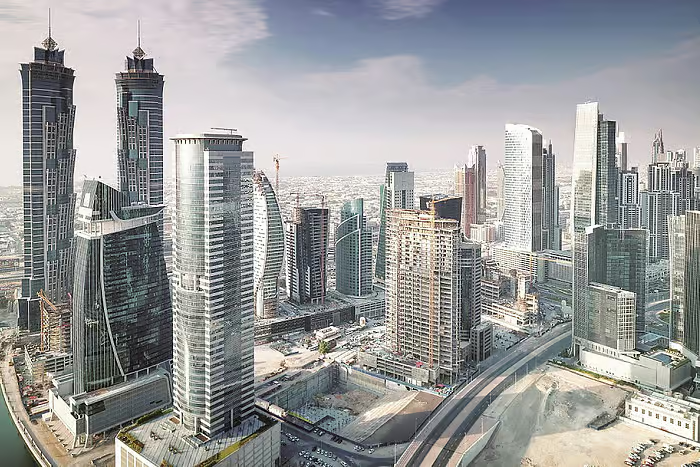

Dubai’s real estate market may experience changes in property prices over the coming months as new housing supply increases and market conditions continue to evolve. After several years of strong growth, the market may be entering a more balanced phase, with buyers and investors paying closer attention to property prices, location, quality, and long-term investment potential.
The expected increase in residential property supply could influence price growth, particularly in apartment communities where numerous new developments are scheduled for completion. As more homes enter the market, competition among sellers and developers may increase, potentially creating pressure on prices in certain areas. The extent of this impact will depend on how quickly the new properties are absorbed by buyers and tenants.
An increase in available properties could provide buyers with more choices across different price ranges and locations. Buyers may have greater opportunities to compare residential projects, negotiate prices, and evaluate payment plans before making purchasing decisions. Developers may also need to focus more on competitive pricing, construction quality, modern amenities, and attractive offers to stand out in an increasingly competitive market.
Communities such as Jumeirah Village Circle, Business Bay, Dubai South, and Dubai Silicon Oasis attract buyers and investors looking for different combinations of affordability, convenience, and investment potential. However, the impact of new supply may vary from one community to another, depending on the number of upcoming properties, local demand, infrastructure, and access to essential facilities.
For property investors, the changing supply-demand balance highlights the importance of careful investment decisions. Rather than relying solely on expectations of rising prices, investors may benefit from assessing rental demand, potential rental yields, developer reputation, location, and long-term capital appreciation. Properties in well-connected communities with strong rental demand may remain attractive, even if price growth slows in other parts of the city.
Although some residential segments could experience price adjustments, the overall market outlook will depend on several factors, including population growth, employment opportunities, foreign investment, and the continued demand for housing. Villas, luxury residences, and apartments may respond differently to additional supply, meaning that market conditions should be assessed at the community and property level.
Dubai’s real estate market is entering a period in which the balance between new housing supply and buyer demand will play an increasingly important role in determining property prices. While additional homes could create more competition and moderate price growth in certain areas, opportunities may remain for buyers and investors who carefully evaluate their options. The coming months will provide a clearer picture of how effectively the market absorbs new supply and whether demand remains strong across Dubai’s residential property sector.


Leave a Reply